AAC Therapy in Frisco and McKinney TX
When verbal speech is limited, communication is still possible. Our speech-language pathologists support children and adults using augmentative and alternative communication systems.

What AAC Therapy Actually Treats
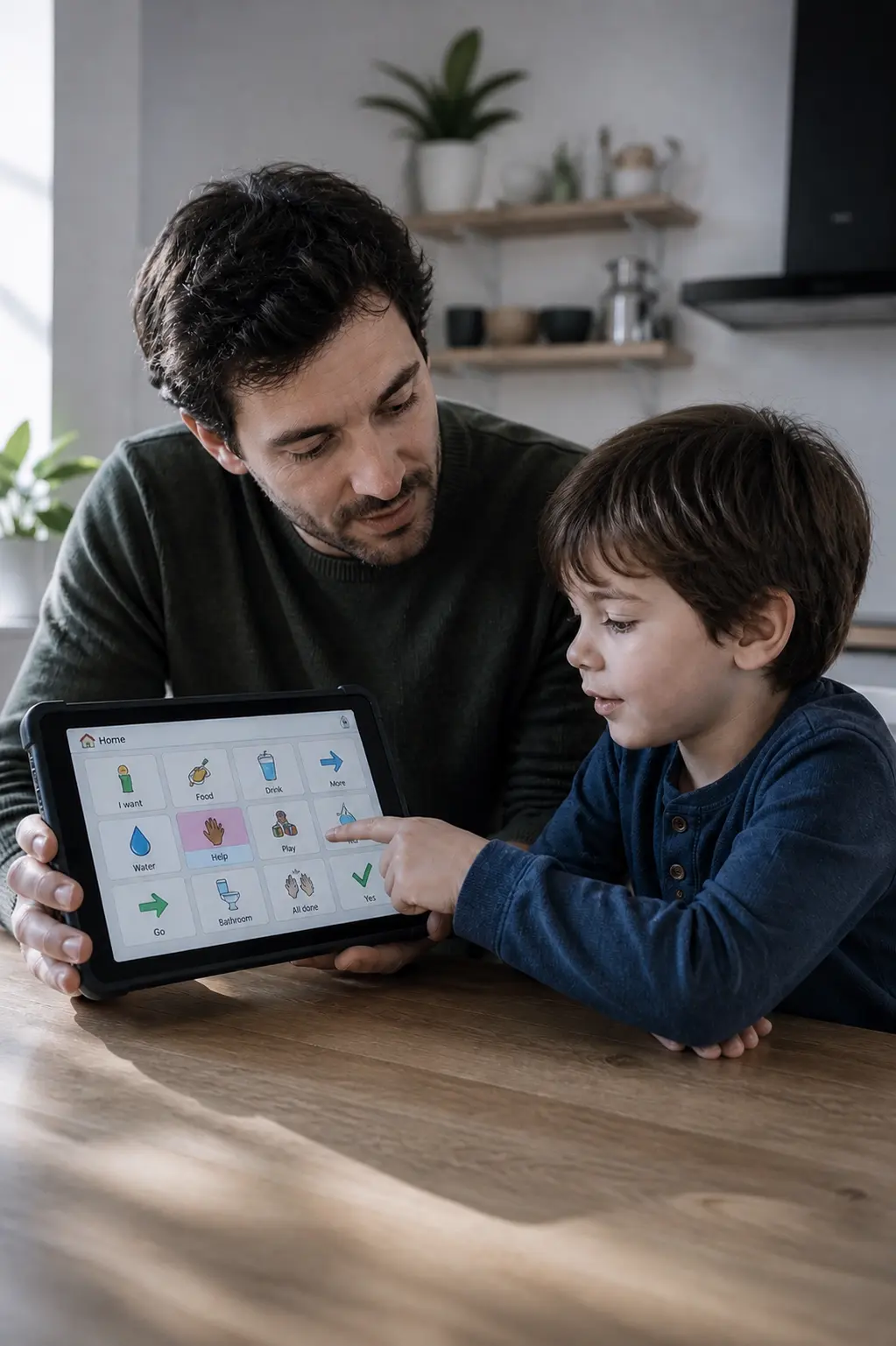
Augmentative and alternative communication, or AAC, refers to any method of communication used in addition to or in place of spoken language. AAC can include picture symbols, sign language, gestures, communication boards, and speech-generating devices on tablets or dedicated hardware.
AAC is used by individuals whose verbal speech is unreliable, limited, or absent. This can include children with autism, apraxia of speech, cerebral palsy, or developmental disabilities, as well as adults recovering from stroke or living with progressive conditions.
Using AAC is not related to intelligence or effort. It is a tool that gives a person consistent access to language so they can express needs, share ideas, and connect with others while spoken speech continues to develop or remains unavailable.
AAC therapy focuses on choosing the right system, building skill and confidence using it, and integrating it into everyday communication.


Signs AAC Therapy May Help
Families often consider AAC when a child or adult has more to say than their current speech allows. Reliable communication should never have to wait for spoken words to develop.
Signs that AAC therapy may help include:
- Limited or no verbal speech past expected developmental milestones
- Speech that is too unclear for most listeners to understand
- Frustration, meltdowns, or withdrawal due to communication breakdowns
- A diagnosis of autism, apraxia, cerebral palsy, or genetic syndrome
- Loss of speech after a stroke, injury, or progressive illness
- Difficulty using gestures, signs, or pictures consistently
- Reliance on others to interpret what they want or need
How Summit Therapy Supports AAC Users
Treatment begins with a comprehensive evaluation to identify which AAC system best matches the person's motor, cognitive, and language abilities. We consider current skills, family routines, and long-term communication goals before recommending an approach.
Sessions focus on modeling, practice, and gradually expanding the user's vocabulary and message length. Whether the system is a low-tech communication board or a high-tech speech-generating device, the goal is consistent, functional use across daily settings.
You will work with the same speech-language pathologist throughout the process, allowing for continuity as skills grow and the AAC system evolves.Family members and caregivers are coached on how to model the system at home so communication becomes a natural part of everyday life rather than a clinic-only activity.
Begin Your Therapy Journey
Reach out today via phone, text or email
Talk to a real person in the office locally.
Complete intake forms
We will verify insurance before your first visit.
Schedule your first visit
We will call you to schedule your first visit within one day of receiving your new patient paperwork.
Begin your therapy journey
Be amazed with your progress!
FAQs
No. Research consistently shows that AAC use does not delay or prevent verbal speech, and in many cases it actually supports speech development. AAC gives your child a way to communicate now while continuing to work on spoken language. We always treat AAC as an added pathway, not a replacement.
We work with a range of systems, from picture exchange and low-tech boards to dedicated speech-generating devices and tablet-based apps. The right choice depends on the individual's abilities and daily needs. The evaluation process at Summit Therapy helps match the person to the system that fits best.
No. AAC supports anyone whose speech is limited or unreliable, including individuals with apraxia, cerebral palsy, genetic syndromes, traumatic brain injury, ALS, and stroke. Both children and adults can benefit. Our team works with clients across the lifespan in Frisco and McKinney.
Learning AAC is similar to learning any language and takes consistent modeling and practice over time. Some users begin communicating basic messages within weeks, while building robust language can take months or years. Your speech-language pathologist will set realistic milestones after the evaluation.

Medical Reviewer
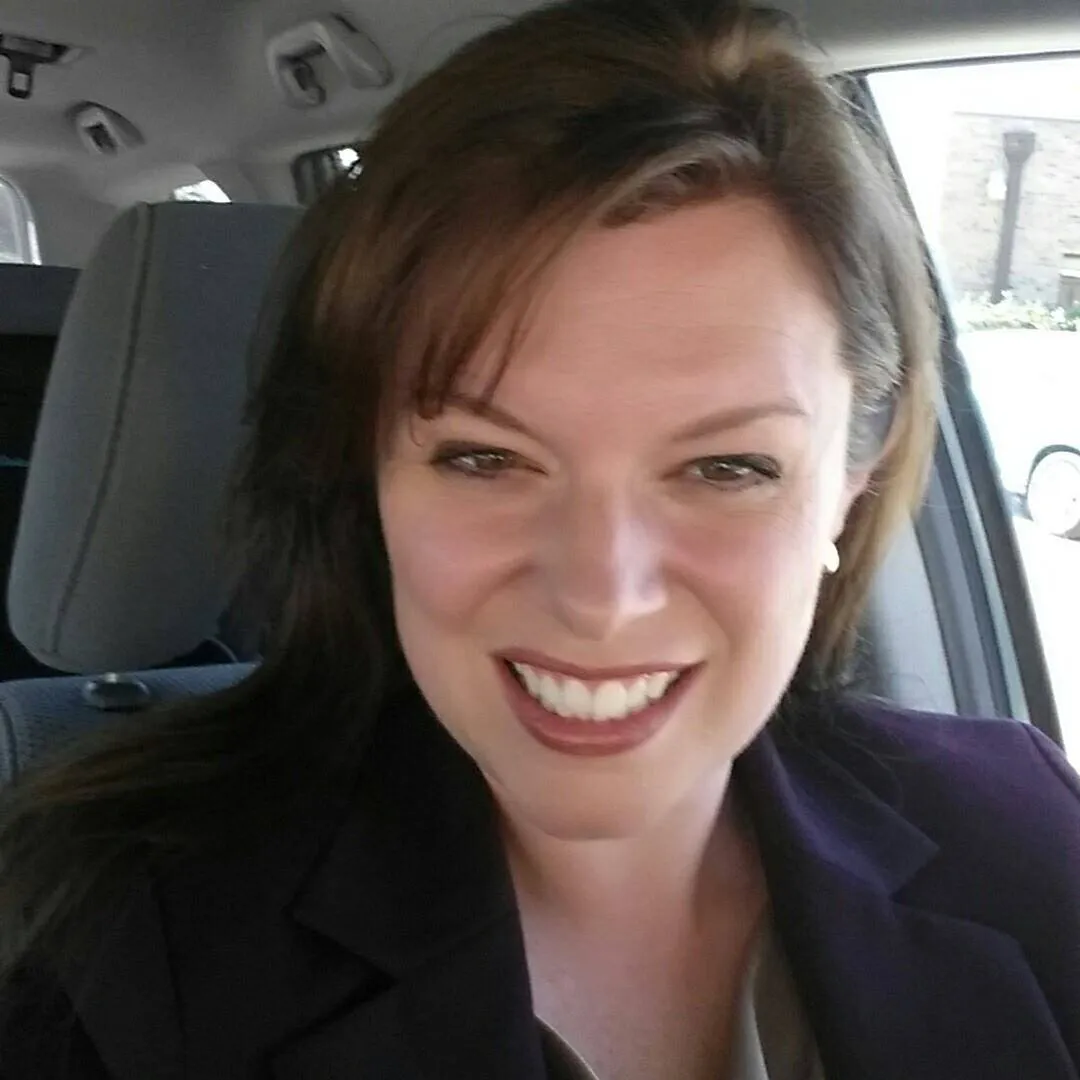
Amanda Ahmed, MA, EdM, CCC-SLP
Amanda is a Speech-Language Pathologist who applies evidence-based practices to improve functional communication across settings. She has experience in acute and sub-acute care, neonatal intensive care (including feeding and swallowing), rehabilitation facilities, and school settings.
She is a member of the American Speech-Language-Hearing Association (ASHA) and the Texas Speech and Hearing Association, and a 2019 graduate of the ASHA Leadership Development Program (LDP) Healthcare Cohort, a highly selective program. Amanda earned her Master’s in Communication Disorders and Sciences from SUNY Buffalo in 2003.
Our Other Programs

Voice Therapy
A healthy, reliable voice is essential for daily life and work. Our speech-language pathologists provide personalized voice therapy for hoarseness, vocal fatigue, and more.

Social Skills
Social communication is a learned skill, and the right support helps children and teens connect more confidently. Our speech-language pathologists provide personalized social skills therapy.

Speech Delay
When a child is slow to start talking, the right support can make a meaningful difference. Our speech-language pathologists provide personalized therapy for speech delays.
Ready to Get Started?
Contact us today to schedule your first appointment and begin your journey toward better communication.