
Muscle Tone Therapy in Frisco and McKinney TX
Low or high muscle tone affects how a child moves, plays, and learns. Our therapists provide personalized therapy to support children with muscle tone differences.

What Muscle Tone Therapy Actually Treats
Muscle tone refers to the natural tension in a muscle at rest. It is what allows the body to maintain posture, move smoothly, and respond quickly. When muscle tone is lower than typical, children may appear floppy, tire easily, and have trouble holding postures. When tone is higher than typical, muscles can feel tight or stiff, making movement less fluid.
Tone differences can be a stand-alone finding or part of conditions like cerebral palsy, genetic syndromes, or developmental coordination challenges. Children with low tone often slouch, sit on the floor in a W-position, and struggle with endurance. Children with high tone may move with more rigidity and have difficulty with flexibility.
Muscle tone differences are not related to intelligence or effort. They reflect how the brain communicates with the muscles and how the body's movement system is wired.
Muscle tone therapy focuses on building strength, stability, and functional movement patterns matched to each child's tone profile.


Signs Muscle Tone Therapy May Help
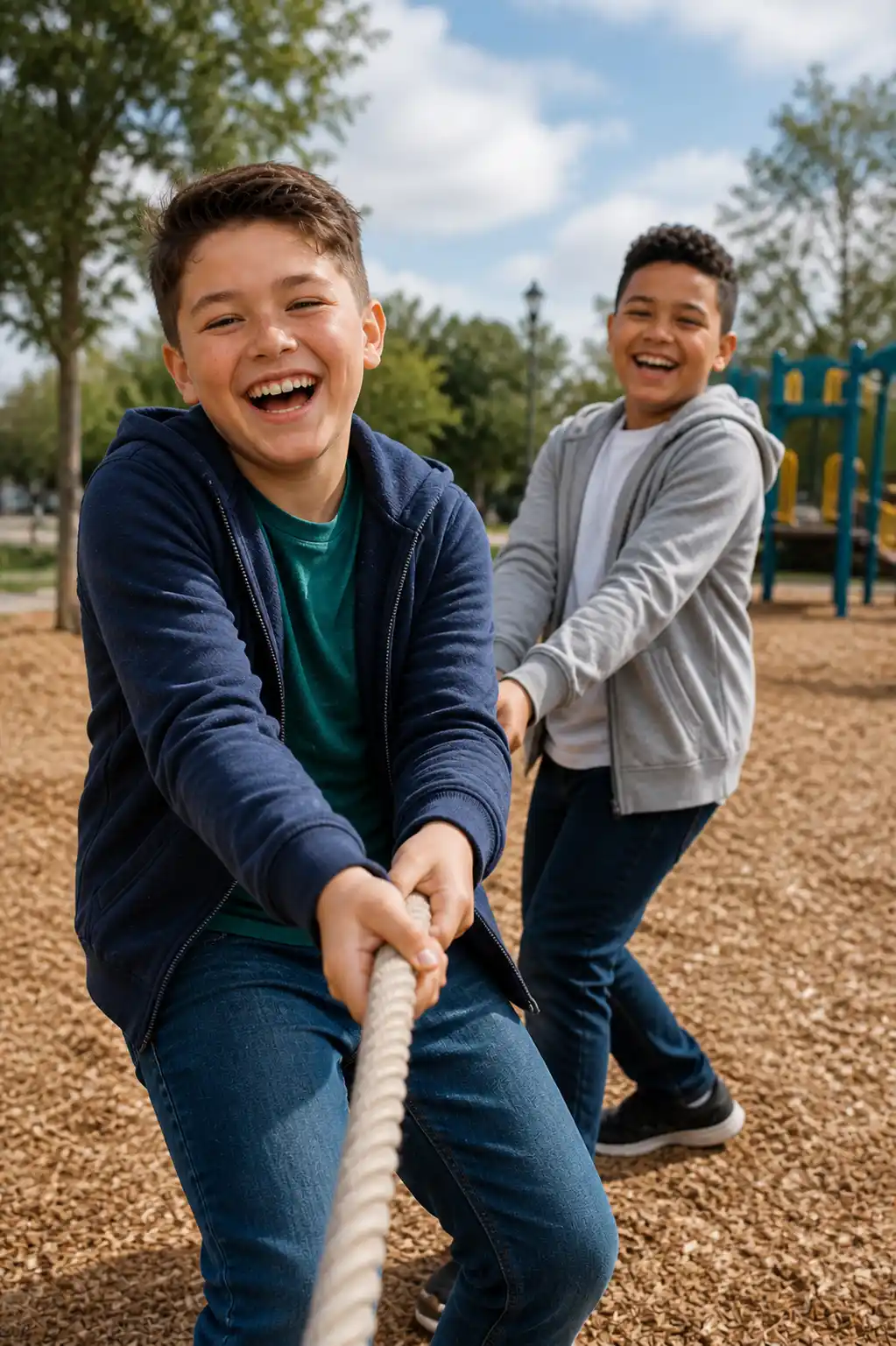
Tone differences often show up in the way a child sits, moves, or fatigues during everyday activities. Early support helps children build strength and skills that compensate for these differences.
Signs that muscle tone therapy may help include:
- Appearing floppy or unusually relaxed at rest
- Slouched or rounded posture during seated activities
- Sitting in a W-position on the floor
- Tiring easily during physical activity
- Stiffness or limited range of motion in arms or legs
- Difficulty holding objects or maintaining grip
- Late motor milestones, such as sitting or walking
- A pediatrician concern about muscle tone or strength
How Summit Therapy Supports Muscle Tone Differences
Treatment begins with a comprehensive evaluation that looks at muscle tone, strength, joint range of motion, posture, and how tone affects everyday activities. From there, a personalized plan is built using evidence-based, developmentally appropriate approaches.
Sessions focus on building functional strength, postural control, and movement patterns that support play, learning, and self-care. Activities are play-based and matched to each child's interests and current abilities.
Your child will work with the same therapist throughout the process, allowing for trust and consistent progress as strength and control develop.
Families receive practical home activities and positioning strategies, and we coordinate with physicians and specialists when needed to ensure care is integrated.
Begin Your Therapy Journey
Reach out today via phone, text or email
Talk to a real person in the office locally.
Complete intake forms
We will verify insurance before your first visit.
Schedule your first visit
We will call you to schedule your first visit within one day of receiving your new patient paperwork.
Begin your therapy journey
Be amazed with your progress!
FAQs
Not exactly. Tone refers to the resting tension in a muscle, while strength refers to how much force a muscle can produce. Low tone often coexists with weakness because it is harder to build strength when tone is low, but they are distinct concepts. Therapy addresses both.
Tone itself usually does not change dramatically, but children can build remarkable strength, control, and skill that work with their tone profile. Many kids meet their motor goals fully with the right support. Therapy focuses on function, not just changing tone.
W-sitting is common in children with low tone because it provides a wide, stable base without requiring much core strength. While occasional W-sitting is fine, frequent W-sitting can affect hip development and core engagement. Therapy can help build the strength to choose more supportive positions.
Yes. We frequently coordinate with pediatricians, neurologists, orthopedic specialists, and other therapists to ensure care is well aligned. If your child sees other providers, we work as part of the team. Just call Summit Therapy and we will help coordinate.

Medical Reviewer
Amanda Ahmed, MA, EdM, CCC-SLP
Amanda is a Speech-Language Pathologist who applies evidence-based practices to improve functional communication across settings. She has experience in acute and sub-acute care, neonatal intensive care (including feeding and swallowing), rehabilitation facilities, and school settings.
She is a member of the American Speech-Language-Hearing Association (ASHA) and the Texas Speech and Hearing Association, and a 2019 graduate of the ASHA Leadership Development Program (LDP) Healthcare Cohort, a highly selective program. Amanda earned her Master’s in Communication Disorders and Sciences from SUNY Buffalo in 2003.
Our Other Programs

Strength and Endurance
Building strength and endurance supports every part of daily life. Our therapists help children and adults grow the physical foundation needed for play, school, and activity.
Cerebral Palsy
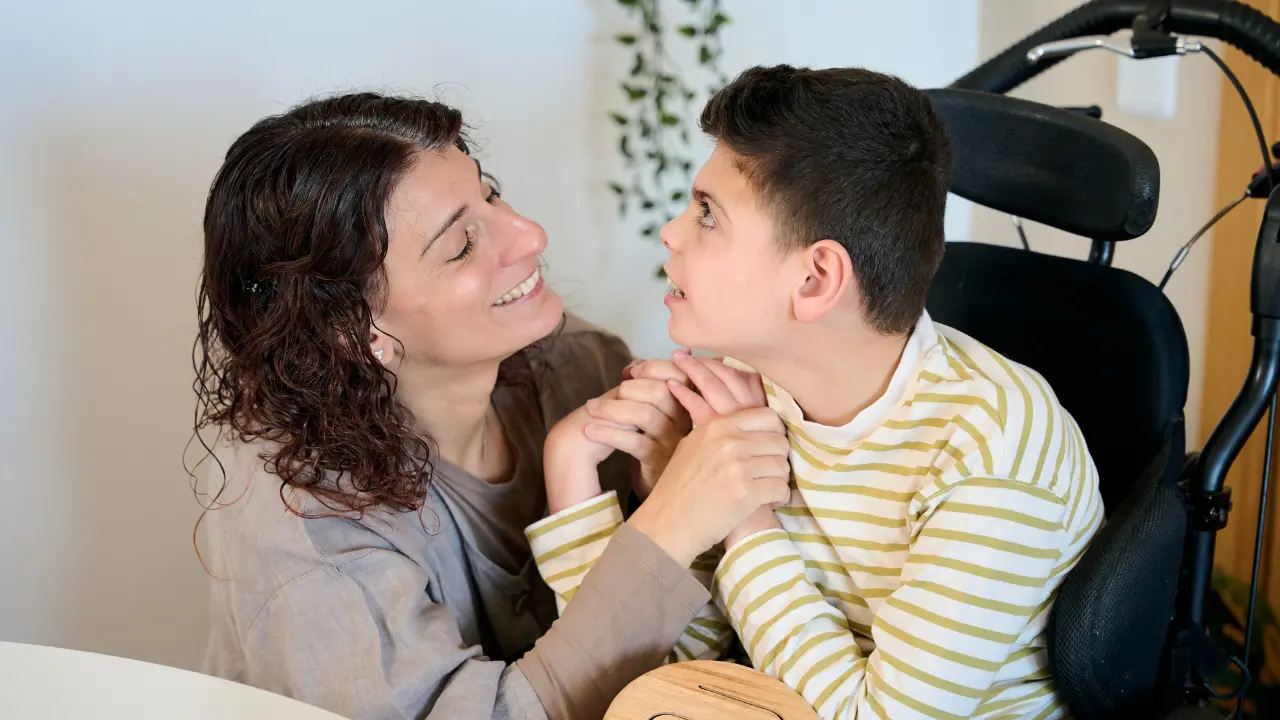
Children with cerebral palsy and other neurological motor differences benefit from specialized, ongoing care. Our therapists provide personalized support across every stage of development.

Post-Surgical Rehabilitation
Recovery after surgery is just as important as the surgery itself. Our therapists provide personalized post-surgical rehabilitation to restore strength, mobility, and function.
Ready to Get Started?
Contact us today to schedule your first appointment and begin your journey toward better communication.