
Social Skills Therapy in Frisco and McKinney TX
Social communication is a learned skill, and the right support helps children and teens connect more confidently. Our speech-language pathologists provide personalized social skills therapy.
What Social Skills Therapy Actually Treats
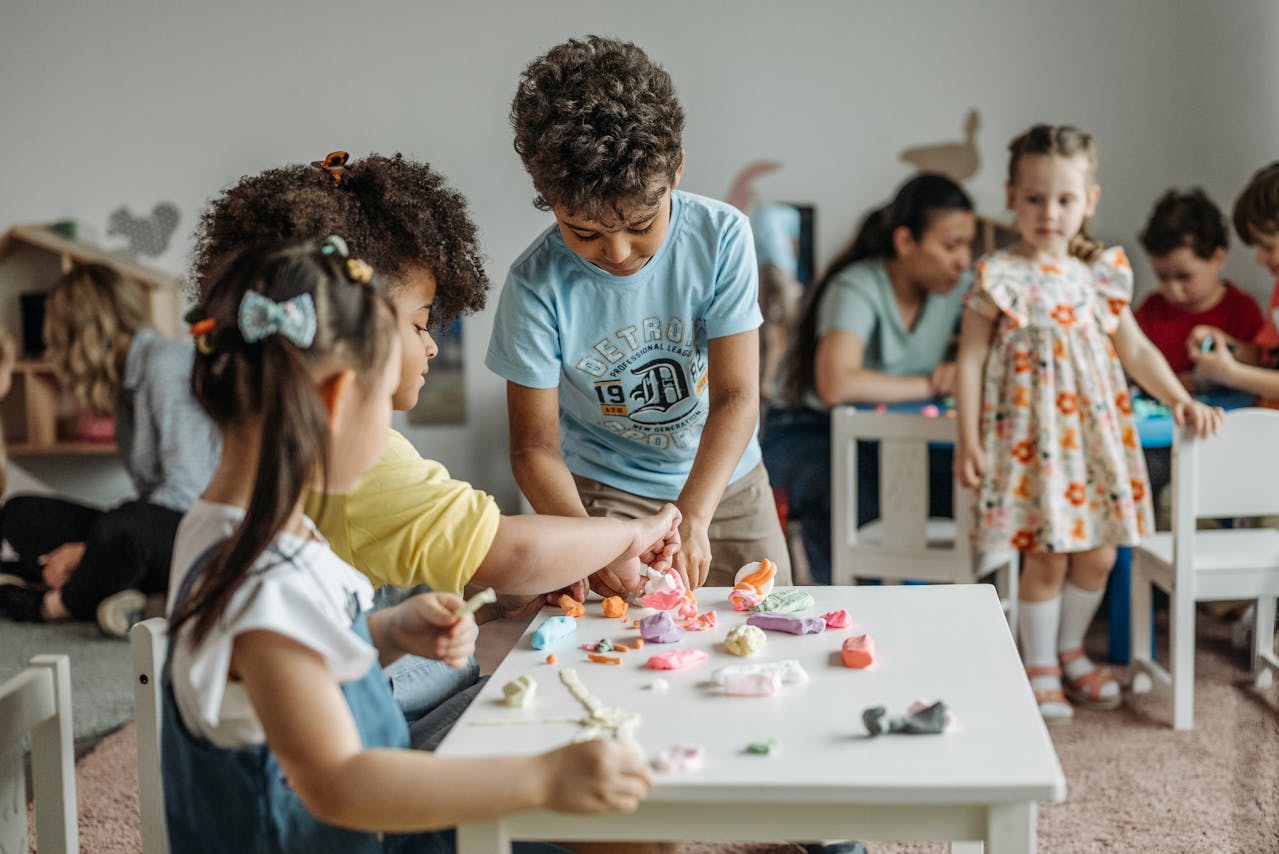
Social skills therapy supports children, teens, and adults who find it difficult to navigate social interactions. It focuses on the language and communication skills needed to start conversations, understand others, manage friendships, and respond to different social situations.
Social communication involves much more than just speaking. It includes reading facial expressions, understanding tone of voice, taking turns in conversation, recognizing how others might feel, and adjusting communication based on context. These skills can be challenging for individuals with autism, ADHD, language disorders, anxiety, or other developmental differences.
Social skills challenges are not related to intelligence or effort. They reflect differences in how social information is processed and expressed, and they respond well to direct, supportive teaching.
Social skills therapy focuses on building the practical communication tools needed for connection, friendship, school, and everyday life.


Signs Social Skills Therapy May Help
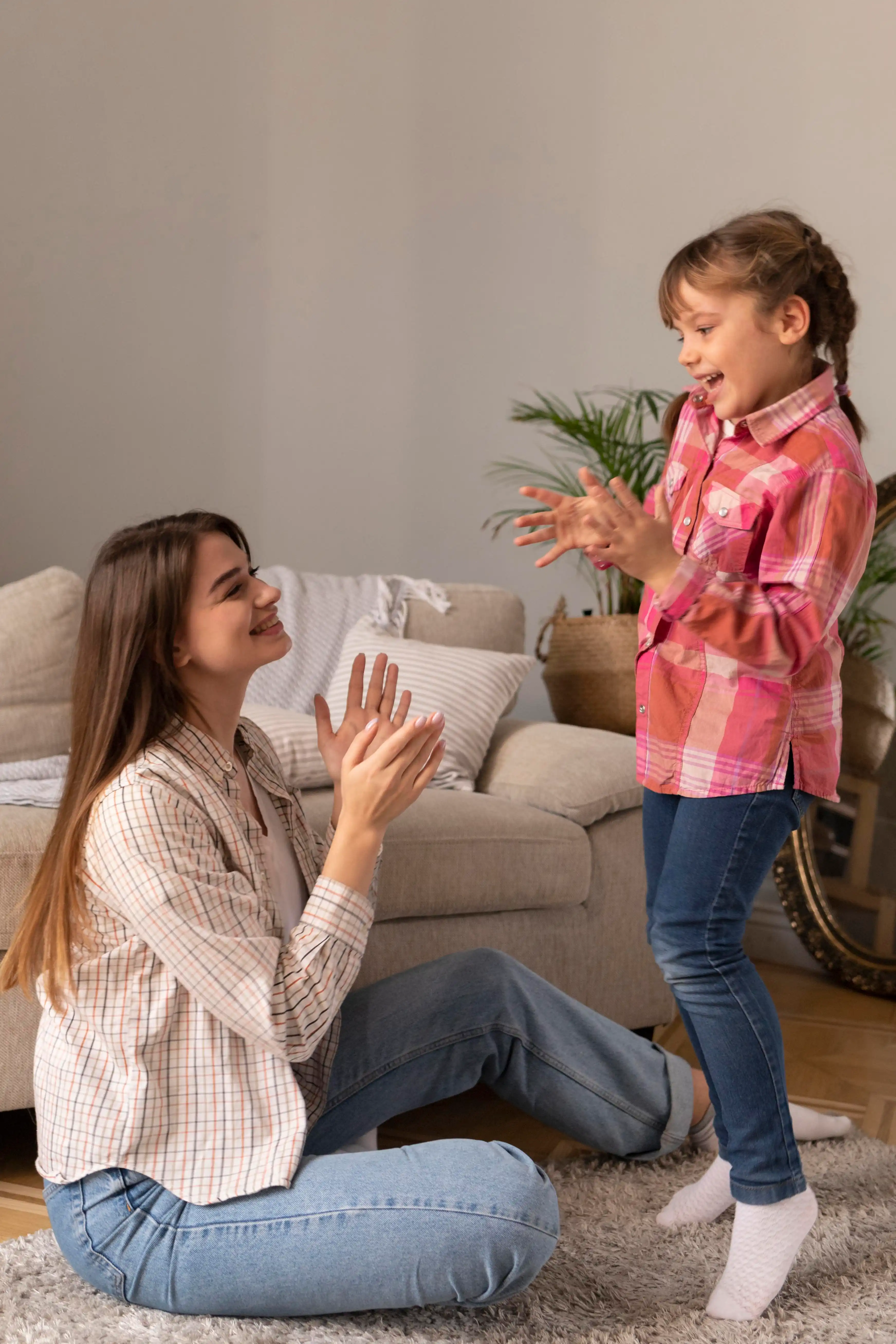
Social challenges can look very different depending on age and personality. The common thread is difficulty connecting with others or navigating everyday social situations.
Signs that social skills therapy may help include:
- Difficulty starting or maintaining conversations
- Trouble taking turns or staying on topic
- Difficulty making or keeping friends
- Missing nonverbal cues like facial expressions or body language
- Talking at length about a favorite topic without noticing others' interest
- Misunderstanding sarcasm, jokes, or figurative language
- Difficulty with conflict, sharing, or group activities
- Anxiety or avoidance around social situations
How Summit Therapy Builds Social Communication Skills
Treatment begins with a comprehensive evaluation of social communication strengths and challenges, including conversation skills, perspective-taking, and nonverbal communication. From there, a personalized plan is built using evidence-based approaches matched to age and goals.
Sessions may include one-on-one coaching, structured social activities, role-play, video modeling, and small group work where appropriate. We focus on real-world scenarios so skills transfer beyond the therapy room.
Your child will work with the same speech-language pathologist throughout the process, allowing for trust and consistent skill building.
Families receive guidance on how to support social communication at home, and we collaborate with schools when helpful so progress carries across settings.
Begin Your Therapy Journey
Reach out today via phone, text or email
Talk to a real person in the office locally.
Complete intake forms
We will verify insurance before your first visit.
Schedule your first visit
We will call you to schedule your first visit within one day of receiving your new patient paperwork.
Begin your therapy journey
Be amazed with your progress!
FAQs
No. While many autistic children and teens benefit, social skills therapy also supports individuals with ADHD, language disorders, anxiety, and other developmental differences. Anyone who struggles with social communication can benefit. The starting point is always an evaluation.
It depends on goals and readiness. Some clients start with individual sessions to build foundational skills, then move into small groups to practice with peers. Others benefit from a group setting from the start. Your speech-language pathologist at Summit Therapy will recommend the best fit.
Yes. Older teens and adults often work on skills like workplace communication, dating, conflict resolution, and navigating complex social situations. Therapy at this age tends to be direct, collaborative, and tailored to real-life goals.
All children have social ups and downs, but ongoing difficulty making friends, frequent conflict, or visible distress in social settings can signal a need for support. An evaluation helps clarify whether therapy is appropriate. There is no harm in asking the question early.

Medical Reviewer
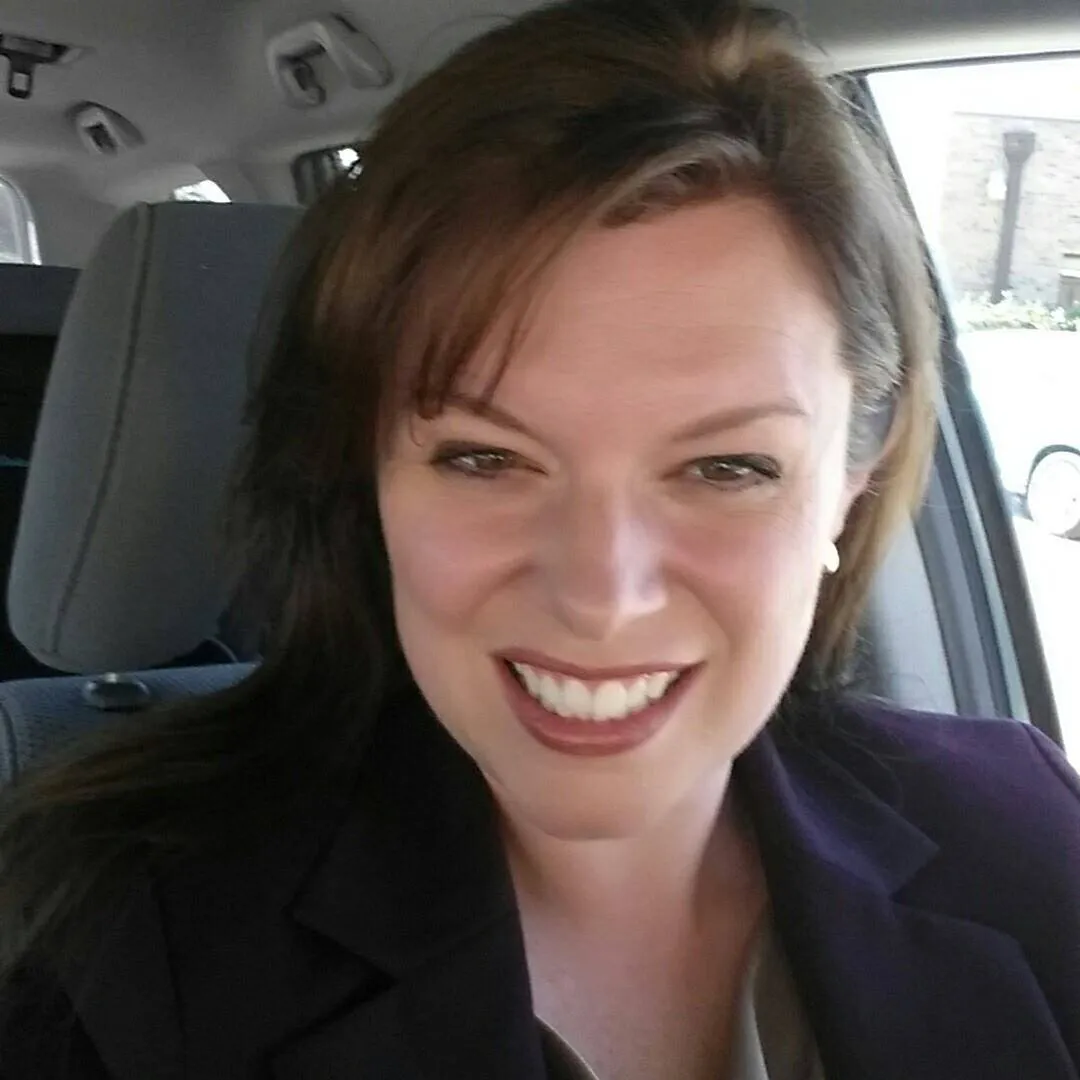
Amanda Ahmed, MA, EdM, CCC-SLP
Amanda is a Speech-Language Pathologist who applies evidence-based practices to improve functional communication across settings. She has experience in acute and sub-acute care, neonatal intensive care (including feeding and swallowing), rehabilitation facilities, and school settings.
She is a member of the American Speech-Language-Hearing Association (ASHA) and the Texas Speech and Hearing Association, and a 2019 graduate of the ASHA Leadership Development Program (LDP) Healthcare Cohort, a highly selective program. Amanda earned her Master’s in Communication Disorders and Sciences from SUNY Buffalo in 2003.
Our Other Programs

Voice Therapy
A healthy, reliable voice is essential for daily life and work. Our speech-language pathologists provide personalized voice therapy for hoarseness, vocal fatigue, and more.

Speech Delay
When a child is slow to start talking, the right support can make a meaningful difference. Our speech-language pathologists provide personalized therapy for speech delays.
Second and Third Language Acquistion
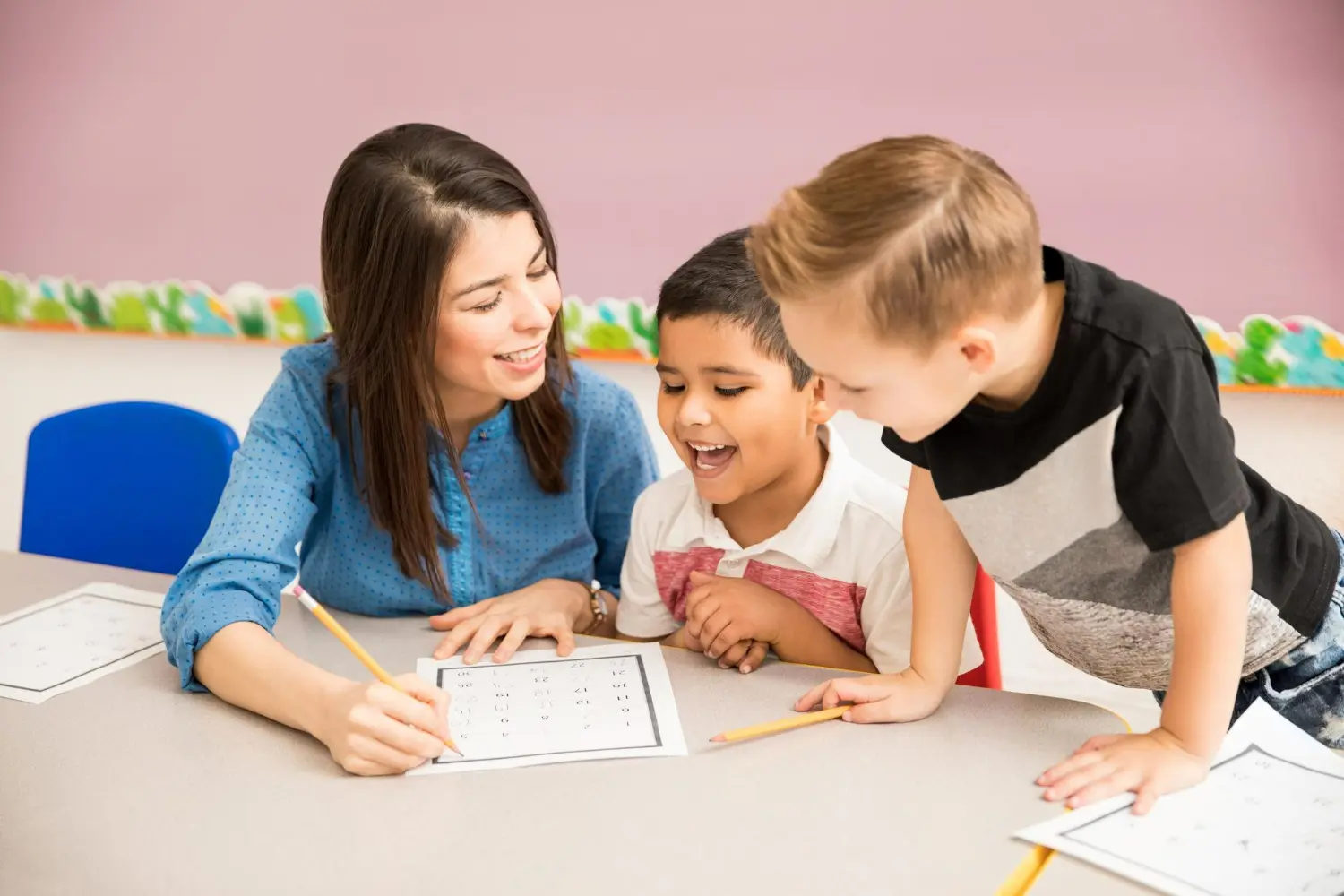
Learning a second or third language brings unique strengths and challenges. Our speech-language pathologists support multilingual children and adults with personalized therapy.
Ready to Get Started?
Contact us today to schedule your first appointment and begin your journey toward better communication.