
Autism Spectrum Therapy in Frisco and McKinney TX
Autistic children and teens benefit from individualized, respectful support across many skill areas. Our therapists provide personalized care matched to each person's strengths and goals.

What Autism Spectrum Therapy Actually Treats
Autism is a developmental difference that affects how a person communicates, processes the world, and interacts with others. Every autistic individual is unique, with different strengths, challenges, and support needs. Therapy focuses on building specific skills and supports that help each person thrive.
Common areas of support include sensory processing, motor skills, daily living tasks, social communication, regulation, and play skills. Some autistic individuals benefit from a single area of focus, while others benefit from coordinated support across multiple areas.
Autism is not related to intelligence or effort. It reflects a different way of experiencing and engaging with the world, and our role is to support each individual in building the skills they want and need.
Autism-focused therapy at Summit Therapy is respectful, strengths-based, and individualized to each person and family.
.webp)


Signs Autism Spectrum Therapy May Help
Autistic individuals often benefit from therapy support across the lifespan as needs evolve. There is no single profile, and an evaluation helps identify the right focus areas.
Signs that autism-focused therapy may help include:
- A diagnosis of autism or suspected autism
- Sensory differences that affect daily life
- Motor skill challenges, including fine or gross motor differences
- Difficulty with daily living tasks like dressing or feeding
- Social communication or play skill differences
- Strong reactions to transitions, change, or sensory input
- Difficulty with regulation, attention, or focus
- A need for support during major transitions, like starting school
How Summit Therapy Supports Autistic Individuals
Treatment begins with a comprehensive evaluation that looks at strengths, challenges, and the goals that matter most to the individual and family. From there, a personalized plan is built using evidence-based, respectful approaches.
Sessions are matched to each person's interests, sensory profile, and communication style. We follow the lead of the individual, build trust, and use motivating activities to target meaningful goals. Therapy may focus on sensory regulation, motor skills, daily living, social communication, or other areas based on priorities.
Your child or family member will work with the same therapist throughout the process, allowing for deep understanding and consistent support over time.
Families are central partners, and we provide practical guidance for home and coordinate with schools and other providers to ensure care is integrated.
Begin Your Therapy Journey
Reach out today via phone, text or email
Talk to a real person in the office locally.
Complete intake forms
We will verify insurance before your first visit.
Schedule your first visit
We will call you to schedule your first visit within one day of receiving your new patient paperwork.
Begin your therapy journey
Be amazed with your progress!
FAQs
No. We work with autistic clients across the lifespan, from young children to teens and adults. Therapy is adapted to each person's age, goals, and preferences. The first step is always an individualized evaluation at Summit Therapy.
No. You do not need a diagnosis to begin an evaluation. If autism is suspected or you have concerns about specific skills, we can evaluate and recommend appropriate next steps. We can also coordinate with diagnostic providers when helpful.
Our approach is respectful, strengths-based, and individualized. We follow the client's lead, build trust, and target goals that are meaningful to the person and family. We do not try to make autistic people appear non-autistic. The focus is on real, supportive skill building.
Yes. Many autistic clients benefit from sensory and regulation support that reduces stress and builds tools for daily life. We address what is underneath the surface behavior, helping the nervous system find balance and equipping the person with strategies that work for them.

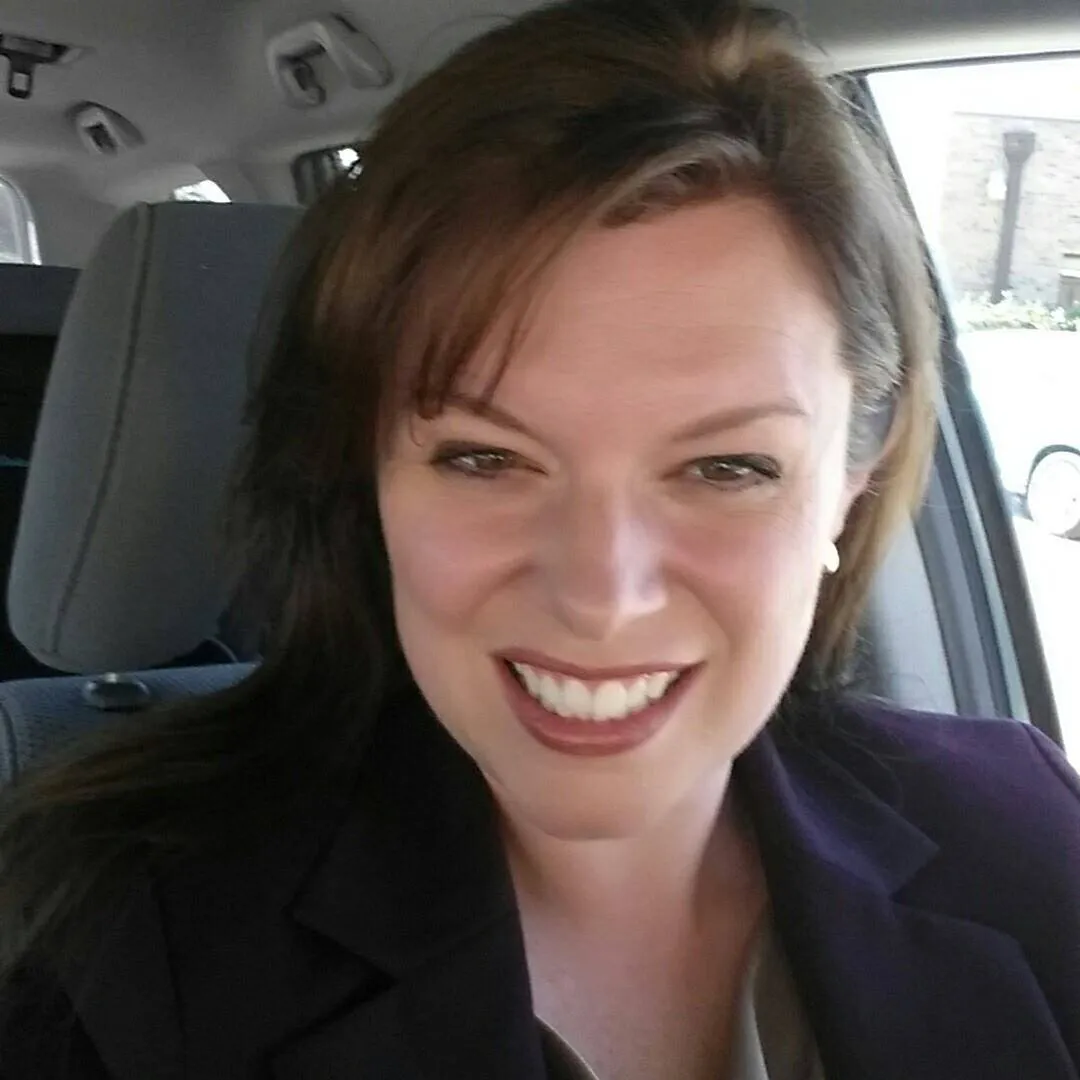
Medical Reviewer
Amanda Ahmed, MA, EdM, CCC-SLP
Amanda is a Speech-Language Pathologist who applies evidence-based practices to improve functional communication across settings. She has experience in acute and sub-acute care, neonatal intensive care (including feeding and swallowing), rehabilitation facilities, and school settings.
She is a member of the American Speech-Language-Hearing Association (ASHA) and the Texas Speech and Hearing Association, and a 2019 graduate of the ASHA Leadership Development Program (LDP) Healthcare Cohort, a highly selective program. Amanda earned her Master’s in Communication Disorders and Sciences from SUNY Buffalo in 2003.
Our Other Programs

Adaptive Strategies
Independence at home, school, or work often comes down to the right strategies and tools. Our therapists help children and adults build practical solutions for daily life.

Stroke and Neurological Recovery
Recovery after stroke or neurological injury takes specialized, ongoing support. Our therapists help adults rebuild function and independence at every stage.

Developmental Coordination
Developmental delays and coordination challenges affect play, learning, and confidence. Our therapists support children in building the skills needed for everyday success.
Ready to Get Started?
Contact us today to schedule your first appointment and begin your journey toward better communication.