
Aphasia Therapy in Frisco and McKinney TX
Rebuilding language after a stroke or brain injury takes the right kind of support. Our speech-language pathologists help adults regain communication through personalized aphasia therapy.

What Aphasia Therapy Actually Treats
Aphasia is a language disorder that typically results from damage to the parts of the brain responsible for language, most often after a stroke, traumatic brain injury, or neurological condition. It can affect speaking, understanding, reading, and writing in different combinations and severities.
Someone with aphasia may know exactly what they want to say but struggle to find the words. Others may have difficulty following conversations, mixing up words, or producing speech that does not match their intended meaning.
Aphasia is not related to intelligence or effort. The thoughts and personality remain intact, but the pathway between thought and language has been disrupted and needs targeted rebuilding.
Aphasia therapy focuses on restoring as much functional communication as possible through structured, evidence-based practice tailored to each person's specific language profile.



Signs Aphasia Therapy May Help
Family members are often the first to notice changes in how a loved one communicates after a medical event. Even subtle word-finding difficulties or comprehension gaps can signal that targeted support would help.
Signs that aphasia therapy may help include:
- Difficulty finding the right words during conversation
- Trouble understanding what others are saying
- Speaking in short or incomplete sentences
- Mixing up words or using related but incorrect words
- Difficulty reading written material that was easy before
- Trouble writing emails, lists, or notes
- Frustration or withdrawal from conversations
How Summit Therapy Treats Aphasia
Treatment begins with a comprehensive evaluation to identify which areas of language are most affected and which are still strong. From there, a personalized plan is created using evidence-based approaches matched to each person's communication goals.
Sessions focus on rebuilding functional communication for the activities that matter most, whether that is conversing with grandchildren, returning to work, or managing daily errands. Therapy may include word retrieval exercises, conversational practice, and strategies that compensate for current limitations.
You will work with the same speech-language pathologist throughout the process, allowing for consistency, stronger rapport, and more efficient progress.
Family members are also coached on supportive communication strategies so progress continues outside of sessions and conversations at home feel less stressful.
Begin Your Therapy Journey
Reach out today via phone, text or email
Talk to a real person in the office locally.
Complete intake forms
We will verify insurance before your first visit.
Schedule your first visit
We will call you to schedule your first visit within one day of receiving your new patient paperwork.
Begin your therapy journey
Be amazed with your progress!
FAQs
Recovery depends on the cause, severity, and how soon therapy begins. Many people make significant gains, especially with consistent therapy in the first months and years after a stroke or injury. Even years later, meaningful progress is still possible with structured speech therapy.
No. Aphasia affects language, not memory or thinking ability. A person with aphasia still knows what they want to say and understands the world around them, but the brain's language pathways have been disrupted. This is an important distinction we help families understand.
The earlier the better, but it is never too late to benefit from therapy. Many people start speech therapy in the hospital or rehab setting, then continue in an outpatient clinic like Summit Therapy. If it has been months or years since the event, an evaluation can still identify meaningful goals.
Yes. Aphasia almost always affects adults, and our speech-language pathologists are experienced in working with adult clients across a range of neurological conditions. You can call Summit Therapy directly to schedule an evaluation in Frisco or McKinney.

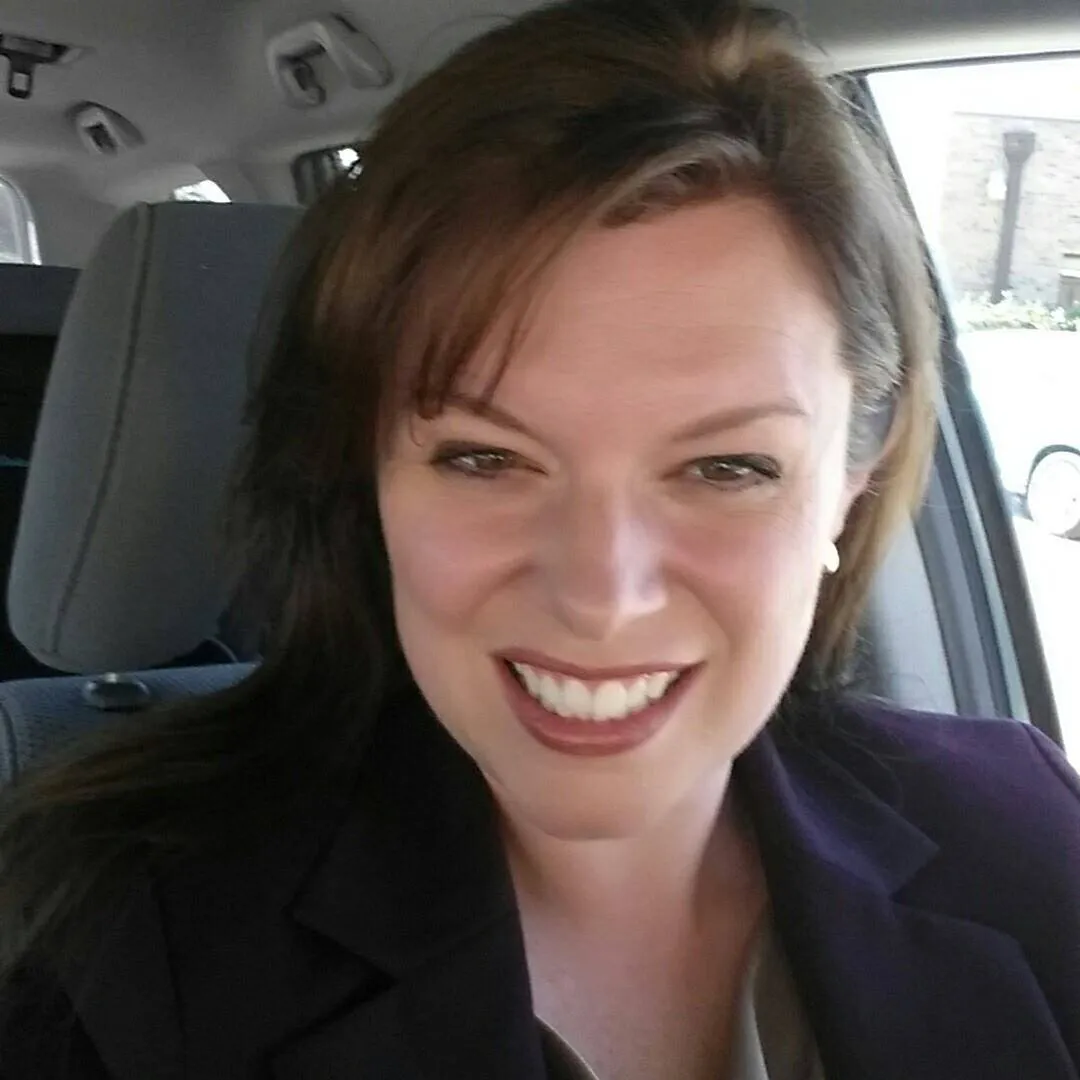
Medical Reviewer
Amanda Ahmed, MA, EdM, CCC-SLP
Amanda is a Speech-Language Pathologist who applies evidence-based practices to improve functional communication across settings. She has experience in acute and sub-acute care, neonatal intensive care (including feeding and swallowing), rehabilitation facilities, and school settings.
She is a member of the American Speech-Language-Hearing Association (ASHA) and the Texas Speech and Hearing Association, and a 2019 graduate of the ASHA Leadership Development Program (LDP) Healthcare Cohort, a highly selective program. Amanda earned her Master’s in Communication Disorders and Sciences from SUNY Buffalo in 2003.
Our Other Programs

Voice Therapy
A healthy, reliable voice is essential for daily life and work. Our speech-language pathologists provide personalized voice therapy for hoarseness, vocal fatigue, and more.

Social Skills
Social communication is a learned skill, and the right support helps children and teens connect more confidently. Our speech-language pathologists provide personalized social skills therapy.

Speech Delay
When a child is slow to start talking, the right support can make a meaningful difference. Our speech-language pathologists provide personalized therapy for speech delays.
Ready to Get Started?
Contact us today to schedule your first appointment and begin your journey toward better communication.