
Parkinson's Disease Speech Therapy in Frisco and McKinney TX
Parkinson's can change the voice and clarity of speech over time. Our speech-language pathologists provide evidence-based therapy to help people with Parkinson's communicate confidently.

What Parkinson's Speech Therapy Actually Treats
Parkinson's disease is a progressive neurological condition that affects movement, including the muscles used for speech and swallowing. Most people with Parkinson's experience changes in their voice, speech clarity, or swallowing at some point during the disease.
Common speech changes include a softer voice, monotone or breathy quality, mumbled or rushed speech, and reduced facial expression. Many people with Parkinson's are unaware of how quiet or unclear their speech has become because the brain's perception of loudness is also affected.
These changes are not related to intelligence or effort. They reflect how Parkinson's affects the brain's ability to coordinate the muscles for speech and to accurately gauge vocal output.
Parkinson's speech therapy focuses on increasing vocal loudness, improving clarity, and helping individuals maintain confident communication as the disease progresses.



Signs Parkinson's Speech Therapy May Help
Speech changes in Parkinson's often develop gradually, and family members typically notice them first. Acting early, even before changes feel severe, leads to better long-term outcomes.
Signs that Parkinson's speech therapy may help include:
- A voice that sounds softer or quieter than before
- Frequent requests from others to repeat or speak up
- Mumbled, rushed, or imprecise speech
- A monotone or flat-sounding voice
- Reduced facial expression while talking
- Hoarseness or breathiness
- Difficulty being heard in groups, restaurants, or on the phone
- Coughing or throat clearing while eating or drinking
How Summit Therapy Supports People with Parkinson's
Treatment begins with a comprehensive evaluation that looks at voice, speech clarity, breath support, and swallowing. From there, a personalized plan is built using evidence-based approaches designed specifically for Parkinson's-related speech changes.
Sessions often follow intensive, research-supported protocols focused on increasing vocal loudness and recalibrating how loudness is perceived. We also address speech clarity, breath control, and strategies for everyday communication situations.
You will work with the same speech-language pathologist throughout the process, allowing for trust, consistency, and steady progress as the program intensifies.
Family members are encouraged to participate, and home practice is a key part of building lasting change. Daily practice between sessions is often what turns therapy into long-term improvement.
Begin Your Therapy Journey
Reach out today via phone, text or email
Talk to a real person in the office locally.
Complete intake forms
We will verify insurance before your first visit.
Schedule your first visit
We will call you to schedule your first visit within one day of receiving your new patient paperwork.
Begin your therapy journey
Be amazed with your progress!
FAQs
Sooner is better. Many people benefit from speech therapy soon after diagnosis, even before noticeable changes appear, to build skills proactively. Therapy is also helpful at any later stage. The first step is an evaluation at Summit Therapy to identify current strengths and goals.
LSVT LOUD is an intensive, evidence-based speech treatment specifically developed for people with Parkinson's. It focuses on increasing vocal loudness and recalibrating self-perception of speech. We can discuss whether this or another approach is the best fit during your initial evaluation.
Therapy does not stop the disease itself, but it can meaningfully improve voice and speech function, often for an extended period. It also gives clients tools and strategies to maintain communication as the condition changes. Many people report greater confidence and independence after therapy.
Yes. Swallowing changes are common in Parkinson's, and our team can evaluate and treat dysphagia related to the disease. If you or a loved one has noticed coughing, choking, or difficulty with certain foods, an evaluation is the right next step. Just call Summit Therapy to get started.

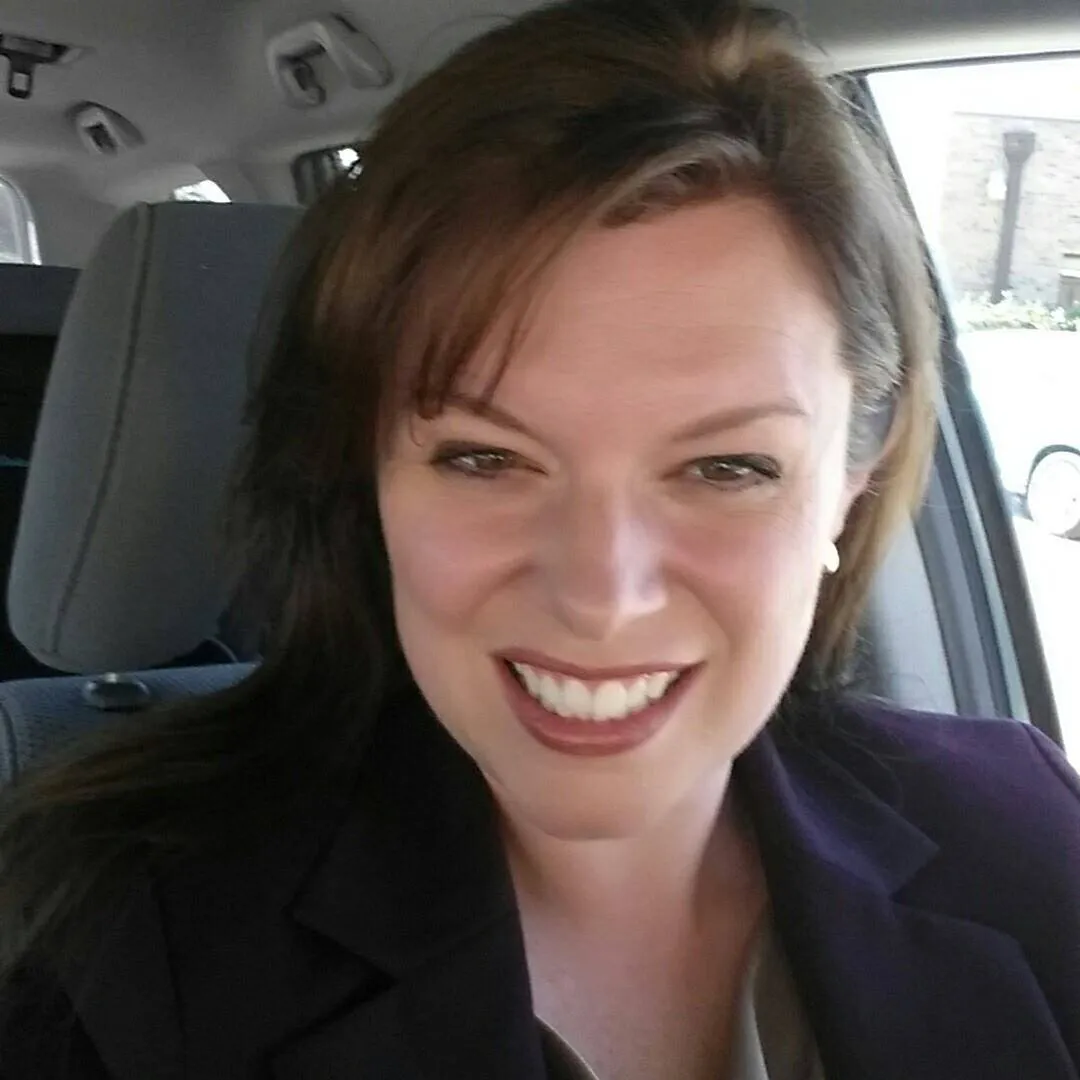
Medical Reviewer
Amanda Ahmed, MA, EdM, CCC-SLP
Amanda is a Speech-Language Pathologist who applies evidence-based practices to improve functional communication across settings. She has experience in acute and sub-acute care, neonatal intensive care (including feeding and swallowing), rehabilitation facilities, and school settings.
She is a member of the American Speech-Language-Hearing Association (ASHA) and the Texas Speech and Hearing Association, and a 2019 graduate of the ASHA Leadership Development Program (LDP) Healthcare Cohort, a highly selective program. Amanda earned her Master’s in Communication Disorders and Sciences from SUNY Buffalo in 2003.
Our Other Programs

Voice Therapy
A healthy, reliable voice is essential for daily life and work. Our speech-language pathologists provide personalized voice therapy for hoarseness, vocal fatigue, and more.

Social Skills
Social communication is a learned skill, and the right support helps children and teens connect more confidently. Our speech-language pathologists provide personalized social skills therapy.

Speech Delay
When a child is slow to start talking, the right support can make a meaningful difference. Our speech-language pathologists provide personalized therapy for speech delays.
Ready to Get Started?
Contact us today to schedule your first appointment and begin your journey toward better communication.