
Balance and Gait Therapy in Frisco and McKinney TX
Balance, coordination, and walking patterns affect every part of daily life. Our therapists provide personalized therapy to help children and adults move with confidence.
What Balance and Gait Therapy Actually Treats
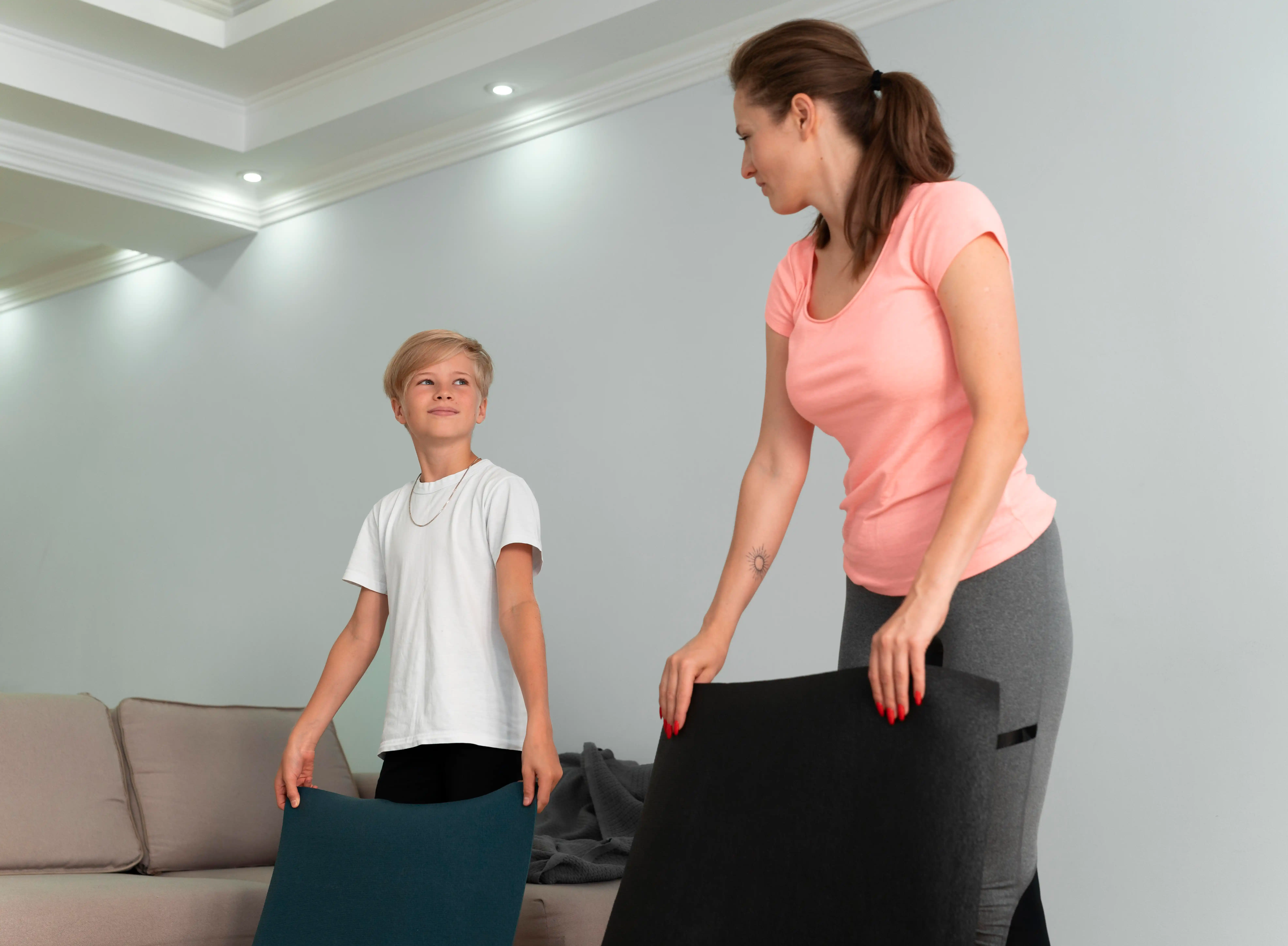
Balance and gait therapy focuses on how the body stays stable while standing, moving, and changing direction, and on how a person walks. Both depend on a complex coordination of muscles, joints, vision, and the inner ear.
Balance or gait challenges can show up as frequent falls, an unsteady walking pattern, toe walking, in-toeing, difficulty navigating stairs, or trouble keeping up during active play. These difficulties may stem from muscle weakness, neurological conditions, injury recovery, or developmental coordination differences.
Balance and gait challenges are not related to intelligence or effort. They reflect that the body's balance and movement systems need targeted support to work together more efficiently.
Balance and gait therapy focuses on building the strength, coordination, and motor control needed to move safely and confidently.
.webp)


Signs Balance and Gait Therapy May Help
Walking and balance problems can be subtle or obvious, and they affect both children and adults. Addressing them early can prevent injuries and build long-term confidence in movement.
Signs that balance and gait therapy may help include:
- Frequent tripping, falling, or bumping into things
- An unsteady or wide-based walking pattern
- Toe walking past the typical age
- Difficulty navigating stairs or curbs
- Trouble standing on one foot or balancing during play
- An adult feeling unsteady after illness, injury, or surgery
- Avoidance of uneven surfaces, ramps, or playground equipment
- A noticeable limp or asymmetry in walking
How Summit Therapy Improves Balance and Gait
Treatment begins with a comprehensive evaluation that looks at strength, range of motion, posture, balance reactions, and walking pattern. From there, a personalized plan is built using evidence-based approaches matched to the underlying causes.
Sessions focus on building the foundational strength and coordination needed for stable, efficient movement. We use targeted exercises, balance challenges, and functional activities that translate directly into daily life.
You or your child will work with the same therapist throughout the process, allowing for consistency and steady progress.
Home programs are provided so progress continues between visits, and we coordinate with physicians or other providers when needed.
Begin Your Therapy Journey
Reach out today via phone, text or email
Talk to a real person in the office locally.
Complete intake forms
We will verify insurance before your first visit.
Schedule your first visit
We will call you to schedule your first visit within one day of receiving your new patient paperwork.
Begin your therapy journey
Be amazed with your progress!
FAQs
Toe walking can have many causes, including tight calf muscles, sensory differences, or neurological factors. While occasional toe walking is common in young children, persistent toe walking past age 2 is worth evaluating. A therapy evaluation can identify the cause and the right plan.
Yes. Balance is trainable across the lifespan. Children can build balance for play and sports, and adults can improve stability after injury, surgery, or simply over time. Targeted therapy makes meaningful differences in safety and confidence.
Yes. Our team works with adults who need to rebuild balance and walking after orthopedic surgery, neurological events, or extended periods of reduced activity. We tailor therapy to your specific recovery goals at Summit Therapy.
Many clients notice changes within a few weeks of consistent therapy and home practice. More complex issues take longer. Your therapist will set realistic milestones after the evaluation and adjust the plan as you progress.

Medical Reviewer
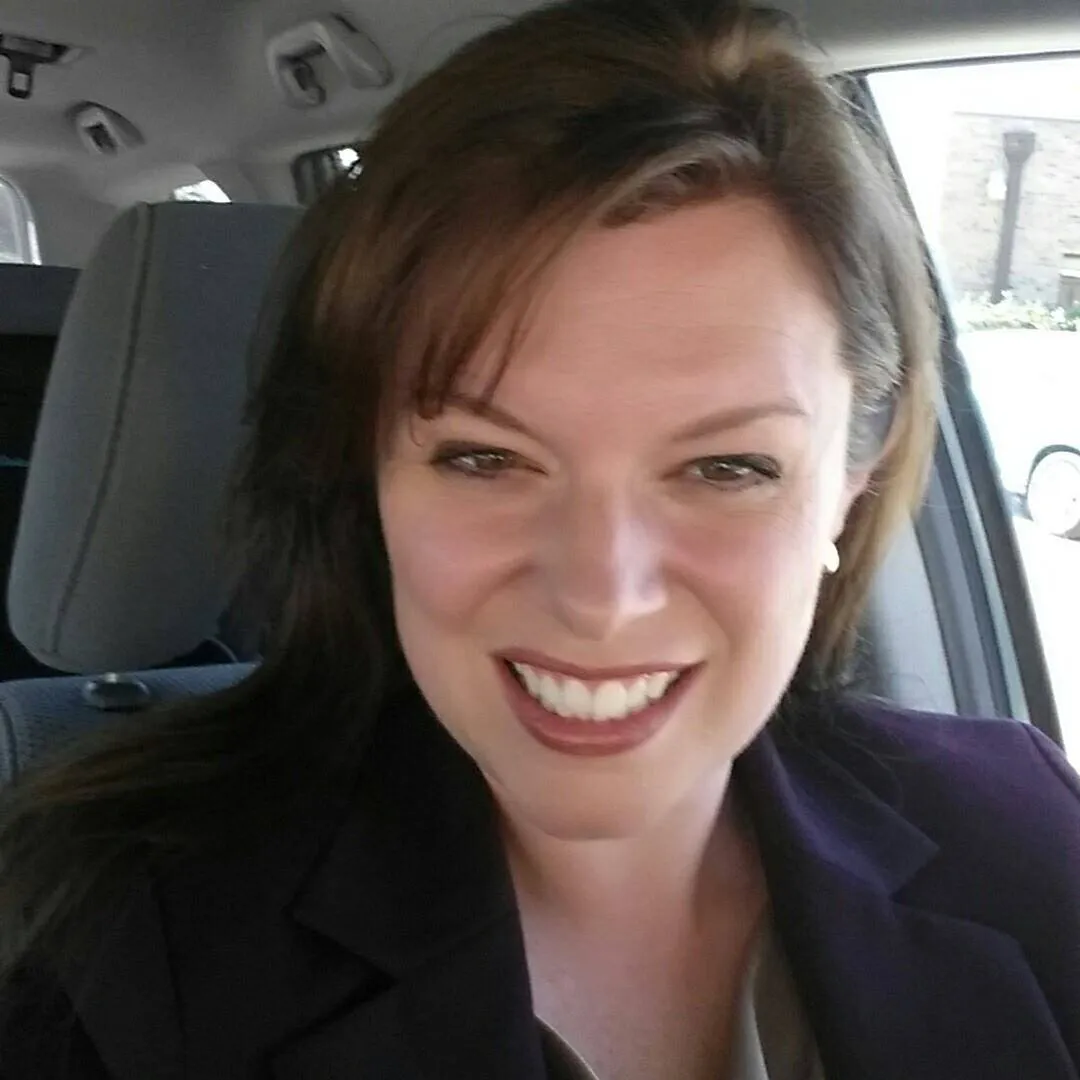
Amanda Ahmed, MA, EdM, CCC-SLP
Amanda is a Speech-Language Pathologist who applies evidence-based practices to improve functional communication across settings. She has experience in acute and sub-acute care, neonatal intensive care (including feeding and swallowing), rehabilitation facilities, and school settings.
She is a member of the American Speech-Language-Hearing Association (ASHA) and the Texas Speech and Hearing Association, and a 2019 graduate of the ASHA Leadership Development Program (LDP) Healthcare Cohort, a highly selective program. Amanda earned her Master’s in Communication Disorders and Sciences from SUNY Buffalo in 2003.
Our Other Programs

Strength and Endurance
Building strength and endurance supports every part of daily life. Our therapists help children and adults grow the physical foundation needed for play, school, and activity.
Cerebral Palsy
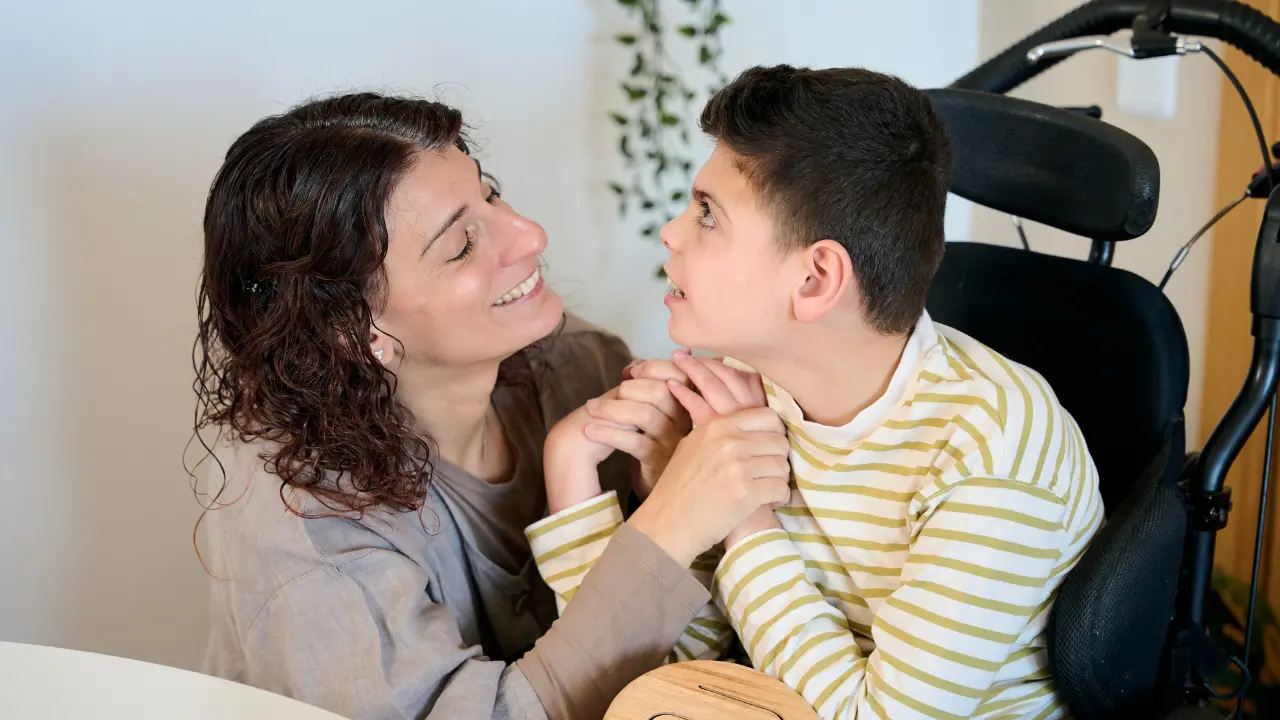
Children with cerebral palsy and other neurological motor differences benefit from specialized, ongoing care. Our therapists provide personalized support across every stage of development.
Post-Surgical Rehabilitation
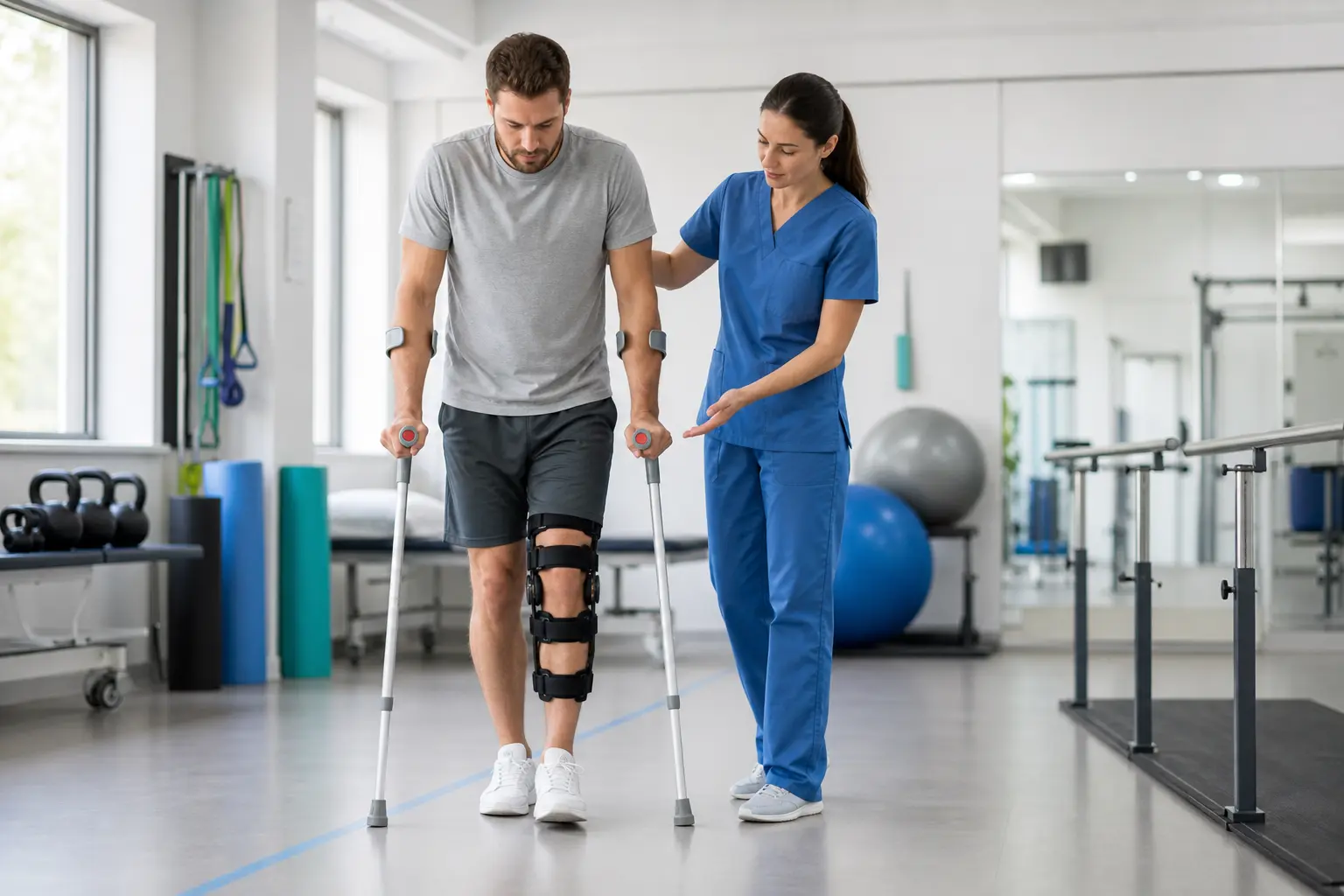
Recovery after surgery is just as important as the surgery itself. Our therapists provide personalized post-surgical rehabilitation to restore strength, mobility, and function.
Ready to Get Started?
Contact us today to schedule your first appointment and begin your journey toward better communication.