
Post-Surgical Rehabilitation in Frisco and McKinney TX
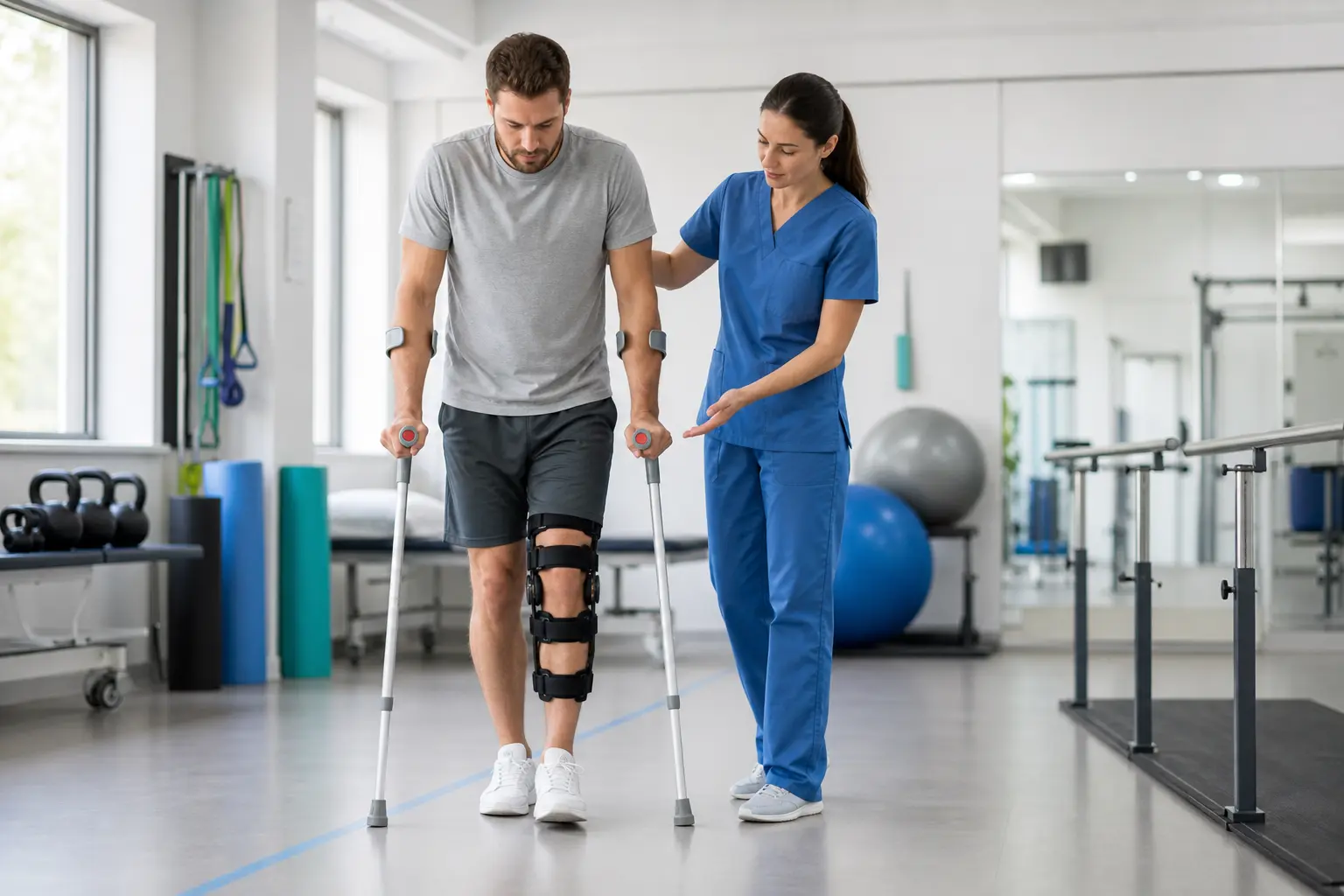
Recovery after surgery is just as important as the surgery itself. Our therapists provide personalized post-surgical rehabilitation to restore strength, mobility, and function.
What Post-Surgical Rehabilitation Actually Treats
Post-surgical rehabilitation supports recovery after a wide range of orthopedic, neurological, and soft-tissue surgeries. Surgery is only one part of healing. Restoring strength, mobility, and function takes a structured, guided rehabilitation process.
Without proper rehab, surgical outcomes can fall short. Stiffness, weakness, and compensatory movement patterns can limit recovery and increase the risk of future problems. Skilled therapy bridges the gap between the operating room and full participation in daily life.
Post-surgical recovery is not related to intelligence or effort. It depends on the body's healing process and on the right exercises being introduced at the right time.
Post-surgical rehabilitation focuses on protecting the surgical site, gradually rebuilding range of motion and strength, and restoring functional skills for everyday life or sport.



Signs Post-Surgical Rehabilitation May Help
Most surgical procedures benefit from structured rehabilitation, even if it was not heavily emphasized at discharge. Therapy helps people get back to the activities that matter most.
Signs that post-surgical rehabilitation may help include:
- Stiffness or limited range of motion after surgery
- Weakness in the surgical area
- Difficulty walking, lifting, or performing daily tasks
- Pain that is not improving as expected
- A surgeon's referral for therapy
- Concerns about returning safely to work, sport, or activity
- Compensatory movement patterns that are causing new aches
- Worry about doing the wrong exercises at home
How Summit Therapy Supports Post-Surgical Recovery
Treatment begins with a comprehensive evaluation that takes into account your specific procedure, surgical timeline, and physician's protocol. From there, a personalized plan is built using evidence-based rehabilitation approaches matched to each phase of healing.
Sessions progress through clear stages, from early protected motion to active strengthening and finally to functional, real-life activities. We coordinate closely with your surgeon to ensure your program aligns with their guidance.
You will work with the same therapist throughout the process, allowing for consistent monitoring of healing and steady, safe progress.
Clear home exercise programs are provided at every stage so you always know what to do between visits and feel confident in your recovery.
Begin Your Therapy Journey
Reach out today via phone, text or email
Talk to a real person in the office locally.
Complete intake forms
We will verify insurance before your first visit.
Schedule your first visit
We will call you to schedule your first visit within one day of receiving your new patient paperwork.
Begin your therapy journey
Be amazed with your progress!
FAQs
Timing depends on the procedure and your surgeon's protocol. Some surgeries benefit from therapy within days, while others require a few weeks of healing first. Your surgeon's instructions will guide the start, and we coordinate with their plan from day one.
Some discomfort is normal as you regain motion and strength, but therapy should never be sharply painful or push beyond what your tissues are ready for. We work within safe ranges and adjust intensity to your comfort and healing stage.
Length of recovery varies by procedure and individual factors. Some clients need a few weeks, while others continue for several months. Your therapist will give you a realistic timeline after the initial evaluation at Summit Therapy.
Most insurance plans cover post-surgical rehabilitation when prescribed by your surgeon. Coverage details vary by plan. Our team can help verify your benefits and explain any out-of-pocket costs before you begin.

Medical Reviewer
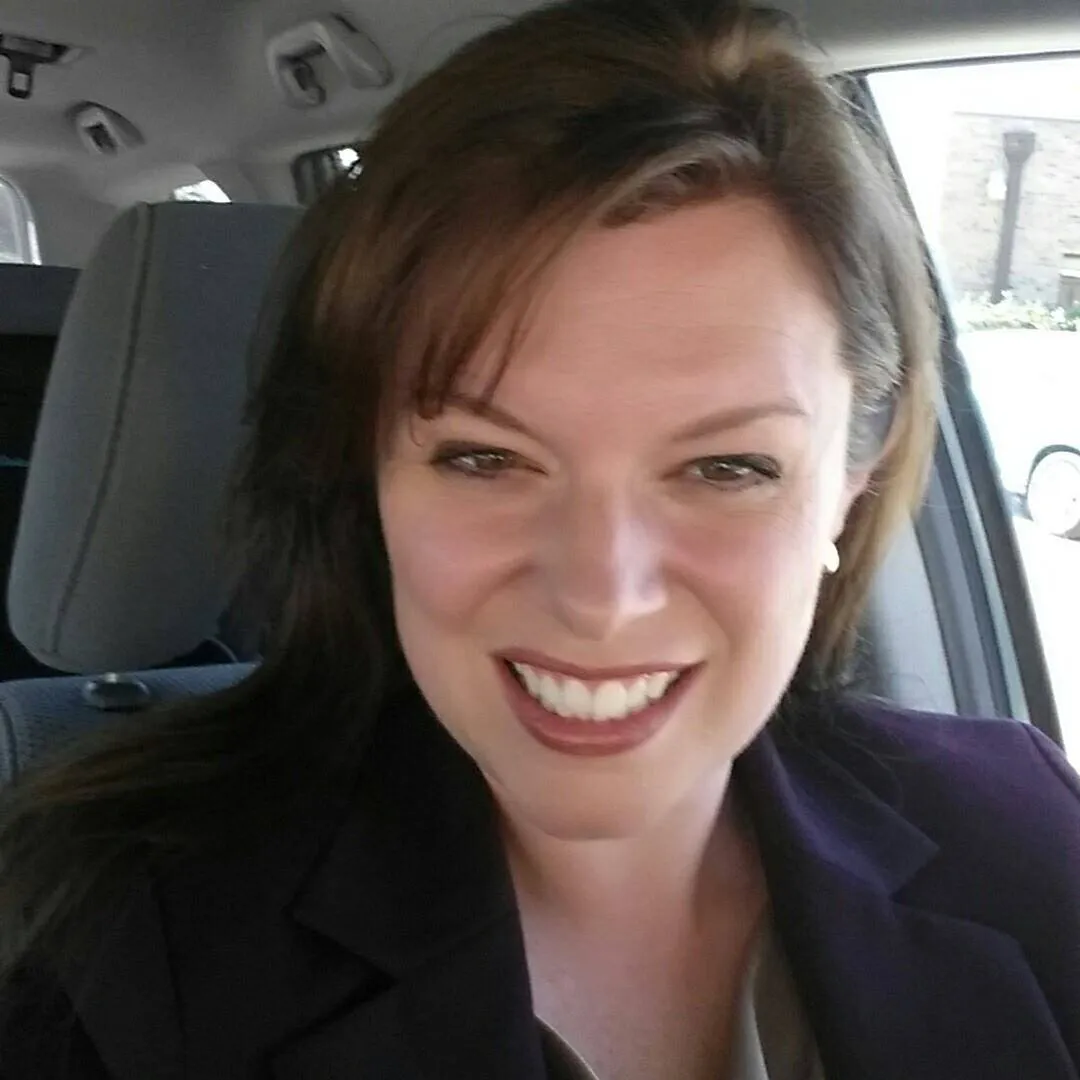
Amanda Ahmed, MA, EdM, CCC-SLP
Amanda is a Speech-Language Pathologist who applies evidence-based practices to improve functional communication across settings. She has experience in acute and sub-acute care, neonatal intensive care (including feeding and swallowing), rehabilitation facilities, and school settings.
She is a member of the American Speech-Language-Hearing Association (ASHA) and the Texas Speech and Hearing Association, and a 2019 graduate of the ASHA Leadership Development Program (LDP) Healthcare Cohort, a highly selective program. Amanda earned her Master’s in Communication Disorders and Sciences from SUNY Buffalo in 2003.
Our Other Programs

Strength and Endurance
Building strength and endurance supports every part of daily life. Our therapists help children and adults grow the physical foundation needed for play, school, and activity.
Cerebral Palsy
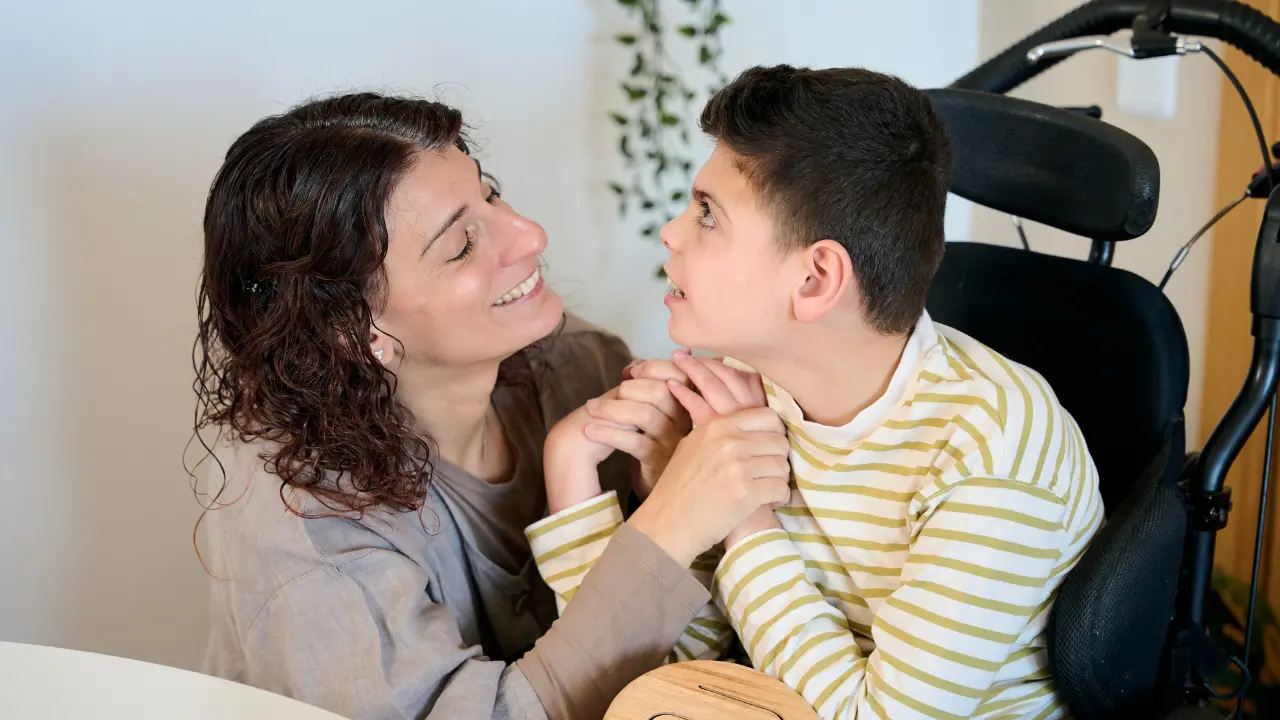
Children with cerebral palsy and other neurological motor differences benefit from specialized, ongoing care. Our therapists provide personalized support across every stage of development.

Sports Injury Recovery
Returning to sport safely takes more than rest. Our therapists provide personalized recovery programs that rebuild strength, mobility, and confidence after sports injuries.
Ready to Get Started?
Contact us today to schedule your first appointment and begin your journey toward better communication.