
Second and Third Language Acquistion in Frisco and McKinney TX
Learning a second or third language brings unique strengths and challenges. Our speech-language pathologists support multilingual children and adults with personalized therapy.

What Bilingual and Multilingual Speech Therapy Actually Treats
Many families in Frisco and McKinney are raising children in homes where more than one language is spoken, and many adults work or live across multiple languages. Learning a second or third language is a strength, but it can also bring questions about whether speech and language are developing as expected.
Multilingual children may mix languages, take a little longer to start speaking, or sound stronger in one language than another. These patterns are usually a normal part of bilingual development. However, when there is a true speech or language difficulty, it shows up across all of a person's languages, not just one.
Multilingual development is not related to intelligence or effort, and bilingualism does not cause language disorders. With careful evaluation, the right kind of support can be matched to what each individual actually needs.
Therapy in this area focuses on supporting overall language development, addressing any underlying delays or disorders, and respecting and preserving the languages used at home.



Signs Bilingual Speech Therapy May Help
It can be hard to know whether a multilingual child or adult would benefit from speech therapy. The key is looking at patterns across all the languages spoken, not just English.
Signs that bilingual or multilingual speech therapy may help include:
- Difficulty in both or all languages, not just one
- Significantly smaller vocabulary across all languages compared to peers
- Trouble combining words into sentences in any language
- Difficulty following directions or understanding stories
- Speech that is hard to understand in every language
- Avoidance of speaking in any language
- A teacher, family member, or pediatrician concern about language development
- An adult learner struggling with pronunciation, fluency, or confidence in English
How Summit Therapy Supports Multilingual Clients
Treatment begins with a comprehensive evaluation that considers the languages spoken at home, the child or adult's exposure to each language, and how skills compare across languages. This helps distinguish typical multilingual patterns from underlying speech or language difficulties.
Sessions are personalized, using evidence-based approaches and culturally responsive practices. For children, therapy supports overall language development while encouraging continued use of the home language. For adults working on a second or third language, therapy may target pronunciation, intonation, and clarity for confident communication.
You will work with the same speech-language pathologist throughout the process, allowing for consistency and a strong understanding of your goals.
Families are coached on how to support language at home, and adult learners receive practical strategies to carry into work, school, and daily life.
Begin Your Therapy Journey
Reach out today via phone, text or email
Talk to a real person in the office locally.
Complete intake forms
We will verify insurance before your first visit.
Schedule your first visit
We will call you to schedule your first visit within one day of receiving your new patient paperwork.
Begin your therapy journey
Be amazed with your progress!
FAQs
No. Maintaining the home language is one of the best things you can do for your child. Strong skills in the home language actually support learning English and protect important family and cultural connections. Our team will help you support both languages thoughtfully.
No. Decades of research show that bilingualism does not cause speech or language disorders. A bilingual child with a delay would also show that delay if they were monolingual. Our evaluations look at all languages a child is exposed to in order to provide an accurate picture.
Therapy delivery depends on the languages spoken by our clinicians, and we work to match clients with the most appropriate provider. We can also use evidence-based bilingual assessment practices and family input to guide treatment. Call Summit Therapy to discuss your specific language needs.
Yes. Many adults seek support to improve clarity, pronunciation, and confidence in English for work, school, or daily life. This is not about changing identity but about communicating with greater ease. Our speech-language pathologists offer personalized, respectful coaching.

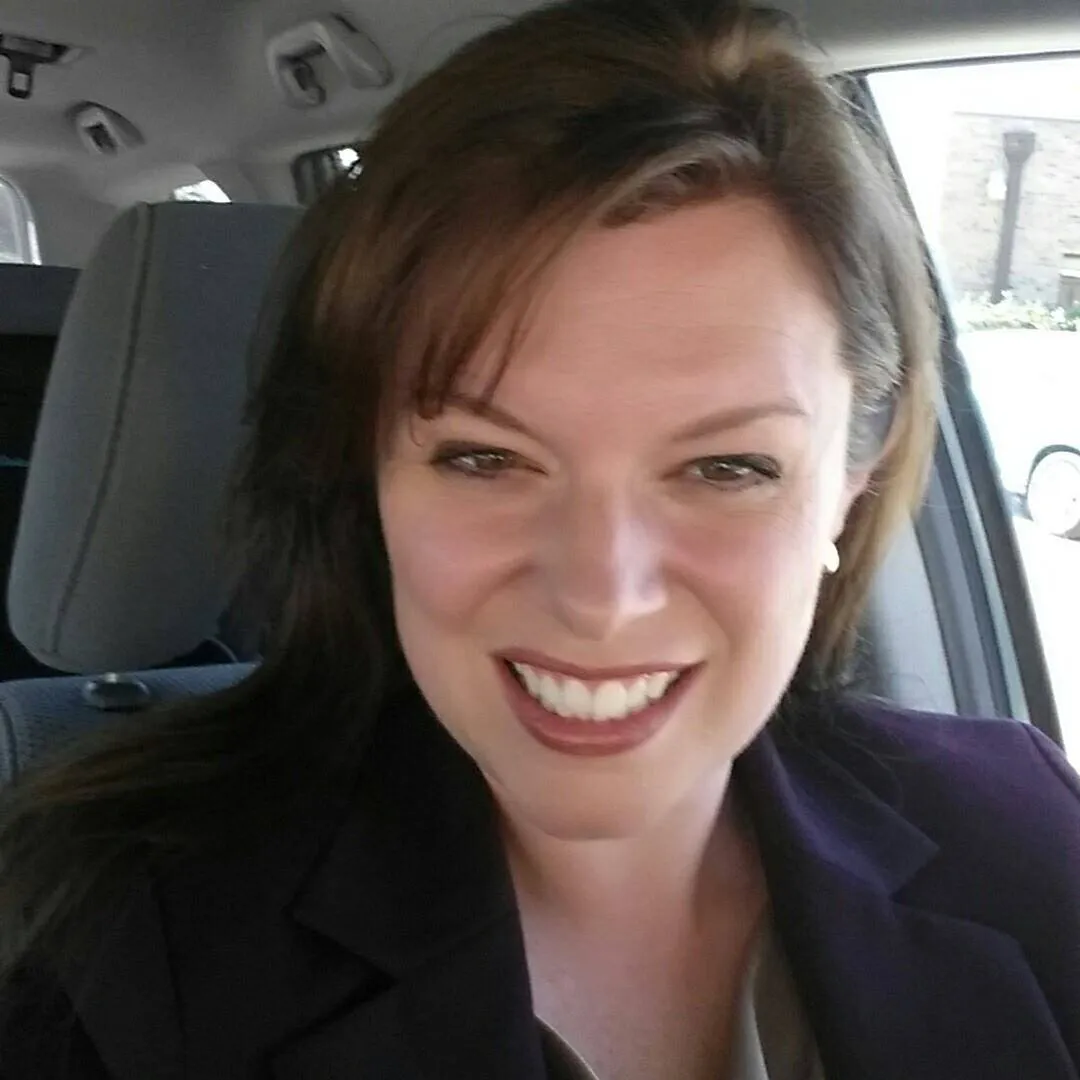
Medical Reviewer
Amanda Ahmed, MA, EdM, CCC-SLP
Amanda is a Speech-Language Pathologist who applies evidence-based practices to improve functional communication across settings. She has experience in acute and sub-acute care, neonatal intensive care (including feeding and swallowing), rehabilitation facilities, and school settings.
She is a member of the American Speech-Language-Hearing Association (ASHA) and the Texas Speech and Hearing Association, and a 2019 graduate of the ASHA Leadership Development Program (LDP) Healthcare Cohort, a highly selective program. Amanda earned her Master’s in Communication Disorders and Sciences from SUNY Buffalo in 2003.
Our Other Programs

Voice Therapy
A healthy, reliable voice is essential for daily life and work. Our speech-language pathologists provide personalized voice therapy for hoarseness, vocal fatigue, and more.

Social Skills
Social communication is a learned skill, and the right support helps children and teens connect more confidently. Our speech-language pathologists provide personalized social skills therapy.

Speech Delay
When a child is slow to start talking, the right support can make a meaningful difference. Our speech-language pathologists provide personalized therapy for speech delays.
Ready to Get Started?
Contact us today to schedule your first appointment and begin your journey toward better communication.