
Torticollis Therapy in Frisco and McKinney TX
Torticollis and postural concerns respond well to early therapy. Our therapists help babies and children build symmetry, range of motion, and healthy posture.
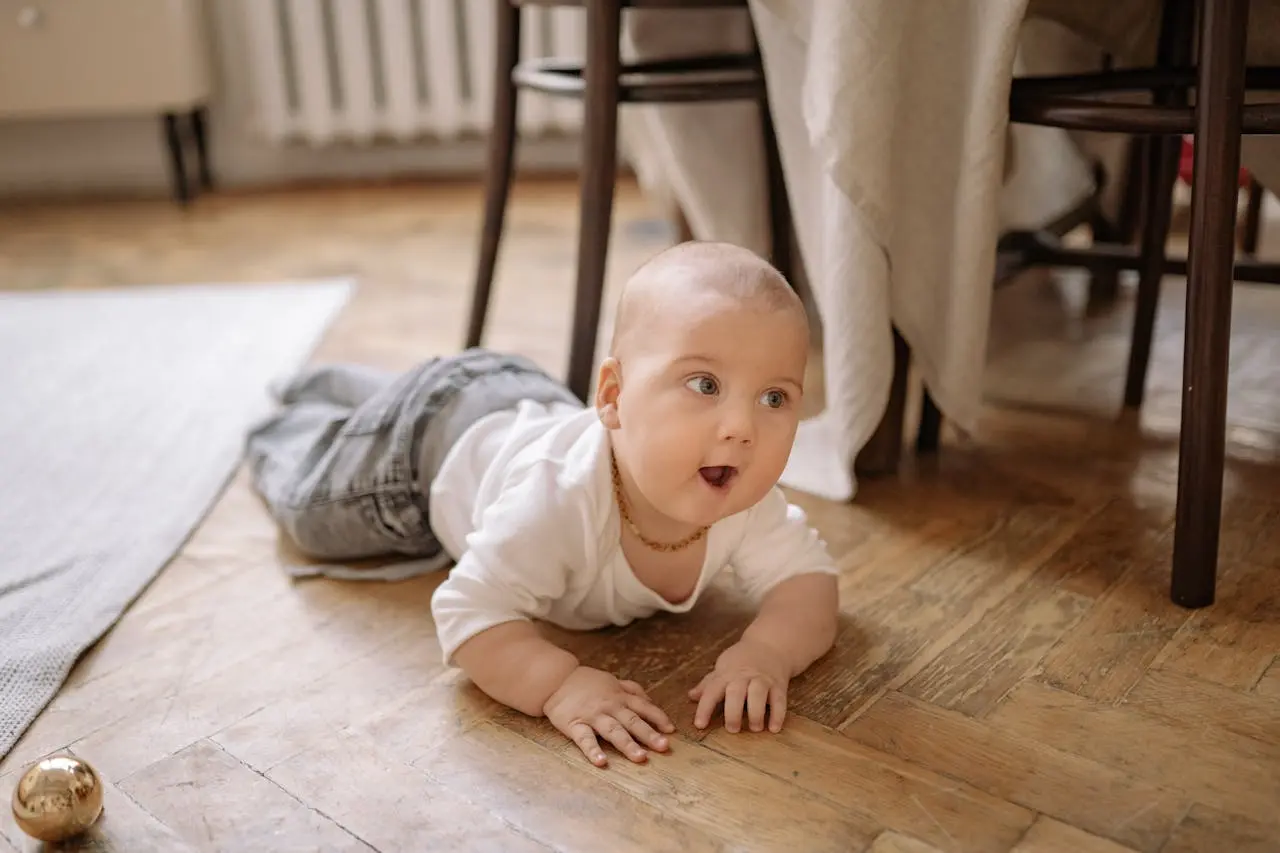
What Torticollis Therapy Actually Treats
Torticollis is a condition in which a child holds their head tilted to one side and turned to the other, due to tightness or shortening of the muscles on one side of the neck. It is most often identified in infancy and can lead to flattening of one side of the head if not addressed.
Torticollis can develop from positioning in the womb, birth experience, or preferred head positions during early infancy. Postural concerns can also appear later in childhood, with asymmetries in how a child sits, stands, or moves.
Torticollis and postural concerns are not related to intelligence or effort. They reflect physical patterns that respond very well to early, targeted therapy and consistent home positioning.
Therapy in this area focuses on restoring full neck range of motion, building balanced strength, and supporting symmetrical, healthy posture.

.jpg)

Signs Torticollis Therapy May Help
Torticollis is often noticed by parents or pediatricians in the early months of life. Postural asymmetries in older children can be subtler but equally important to address.
Signs that torticollis or postural therapy may help include:
- A consistent head tilt to one side
- Preferring to look in only one direction
- Difficulty turning the head fully to one side
- Flattening on one side or the back of the head
- Asymmetry in arm or leg use
- Slumped, uneven, or rotated posture in older children
- Discomfort or stiffness in the neck or back
- A pediatrician recommendation for evaluation
How Summit Therapy Treats Torticollis and Postural Concerns
Treatment begins with a comprehensive evaluation that looks at neck range of motion, strength, head shape, and overall posture and movement patterns. From there, a personalized plan is built using evidence-based, gentle, and developmentally appropriate approaches.
Sessions focus on stretching tight muscles, strengthening underused muscles, and encouraging symmetrical movement during play. For babies, we incorporate tummy time, positioning, and play-based activities. For older children, we work on postural awareness and core control.
Your child will work with the same therapist throughout the process, allowing for trust and consistent progress.Parents are key partners in treatment. We provide clear, easy-to-follow positioning and stretching guidance for home so progress continues every day.
Begin Your Therapy Journey
Reach out today via phone, text or email
Talk to a real person in the office locally.
Complete intake forms
We will verify insurance before your first visit.
Schedule your first visit
We will call you to schedule your first visit within one day of receiving your new patient paperwork.
Begin your therapy journey
Be amazed with your progress!
FAQs
As early as possible. The earlier therapy starts, often in the first weeks or months of life, the faster and more complete the response tends to be. If your pediatrician has noted a head tilt or you have noticed one yourself, schedule an evaluation at Summit Therapy promptly.
Some babies with significant head shape changes do benefit from a cranial helmet, but many do not. Early torticollis therapy combined with positioning often improves head shape without a helmet. Your therapist and pediatrician can guide you if a helmet referral is appropriate.
Most babies with torticollis are not in pain, although they may resist stretching at first. Gentle, gradual therapy is well tolerated when handled by an experienced provider. We always work at a pace that respects your baby's comfort.
Yes. While classic torticollis is usually identified in infancy, older children can develop postural asymmetries from injury, habits, or other underlying conditions. An evaluation at Summit Therapy can identify the cause and the right plan.

Medical Reviewer
Amanda Ahmed, MA, EdM, CCC-SLP
Amanda is a Speech-Language Pathologist who applies evidence-based practices to improve functional communication across settings. She has experience in acute and sub-acute care, neonatal intensive care (including feeding and swallowing), rehabilitation facilities, and school settings.
She is a member of the American Speech-Language-Hearing Association (ASHA) and the Texas Speech and Hearing Association, and a 2019 graduate of the ASHA Leadership Development Program (LDP) Healthcare Cohort, a highly selective program. Amanda earned her Master’s in Communication Disorders and Sciences from SUNY Buffalo in 2003.
Our Other Programs

Strength and Endurance
Building strength and endurance supports every part of daily life. Our therapists help children and adults grow the physical foundation needed for play, school, and activity.
Cerebral Palsy
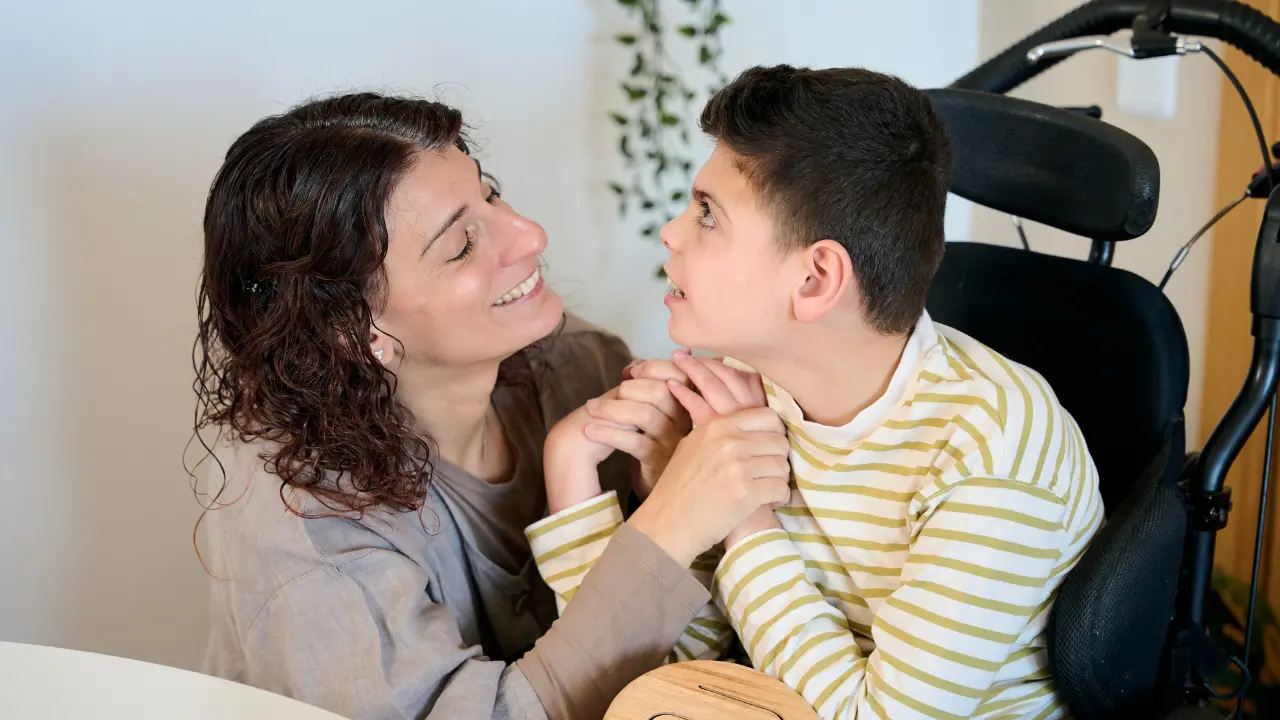
Children with cerebral palsy and other neurological motor differences benefit from specialized, ongoing care. Our therapists provide personalized support across every stage of development.

Post-Surgical Rehabilitation
Recovery after surgery is just as important as the surgery itself. Our therapists provide personalized post-surgical rehabilitation to restore strength, mobility, and function.
Ready to Get Started?
Contact us today to schedule your first appointment and begin your journey toward better communication.