
Stroke and Neurological Recovery Therapy in Frisco and McKinney TX
Recovery after stroke or neurological injury takes specialized, ongoing support. Our therapists help adults rebuild function and independence at every stage.

What Stroke and Neurological Recovery Therapy Actually Treats
Stroke, traumatic brain injury, and other neurological events can affect movement, sensation, thinking, communication, and the ability to perform daily activities. Recovery is highly individual and often continues for months or years with the right support.
Following a neurological event, individuals may experience weakness on one side, difficulty with coordination, problems with attention or memory, vision changes, and challenges performing self-care or returning to work. Each profile of strengths and challenges is unique.
These changes are not related to intelligence or effort. They reflect how the brain and nervous system are recovering, and they respond meaningfully to skilled, evidence-based therapy.
Neurological recovery therapy focuses on rebuilding strength, coordination, and functional skills so individuals can return to the activities and roles that matter to them.

.webp)

Signs Neurological Recovery Therapy May Help
Whether recovery is just beginning or has plateaued, skilled therapy can support continued progress. It is rarely too early or too late to benefit.
Signs that neurological recovery therapy may help include:
- Weakness, stiffness, or coordination changes after a stroke or brain injury
- Difficulty walking, balancing, or moving safely
- Trouble using one hand or arm for daily tasks
- Challenges with self-care like dressing, bathing, or feeding
- Cognitive changes affecting attention, memory, or planning
- Difficulty returning to work, hobbies, or driving
- A plateau in recovery that you would like to push past
- A physician recommendation for outpatient therapy
How Summit Therapy Supports Neurological Recovery
Treatment begins with a comprehensive evaluation that looks at motor function, sensation, daily living skills, and the goals that matter most to you. From there, a personalized plan is built using evidence-based neurological rehabilitation approaches.
Sessions focus on functional, meaningful goals, whether that is walking more confidently, regaining hand use, returning to cooking, or rebuilding work-related skills. We use task-specific practice, repetition, and progressive challenge to drive recovery.
You will work with the same therapist throughout the process, allowing for trust, consistent monitoring of progress, and a deep understanding of your goals.
Families are encouraged to be part of the process, and we provide clear home programs and coordinate with physicians and other providers to ensure care is integrated.
Begin Your Therapy Journey
Reach out today via phone, text or email
Talk to a real person in the office locally.
Complete intake forms
We will verify insurance before your first visit.
Schedule your first visit
We will call you to schedule your first visit within one day of receiving your new patient paperwork.
Begin your therapy journey
Be amazed with your progress!
FAQs
Many people transition to outpatient therapy soon after discharge from inpatient or home rehabilitation, often within days or weeks. Earlier therapy generally supports better outcomes. Just call Summit Therapy and we will help coordinate a smooth transition.
Yes. While the fastest gains often occur in the first months, meaningful progress is possible years later with focused, skilled therapy. Many clients are surprised by how much improvement is still available with the right approach.
Yes. We work with adults recovering from a range of neurological events, including traumatic brain injury, anoxic injury, and other conditions affecting the brain or nervous system. The first step is an evaluation to map current function and goals.
Most insurance plans require a physician referral for neurological rehabilitation, although Texas allows direct access in many cases. Our team can help verify your specific plan requirements before your first appointment at Summit Therapy.

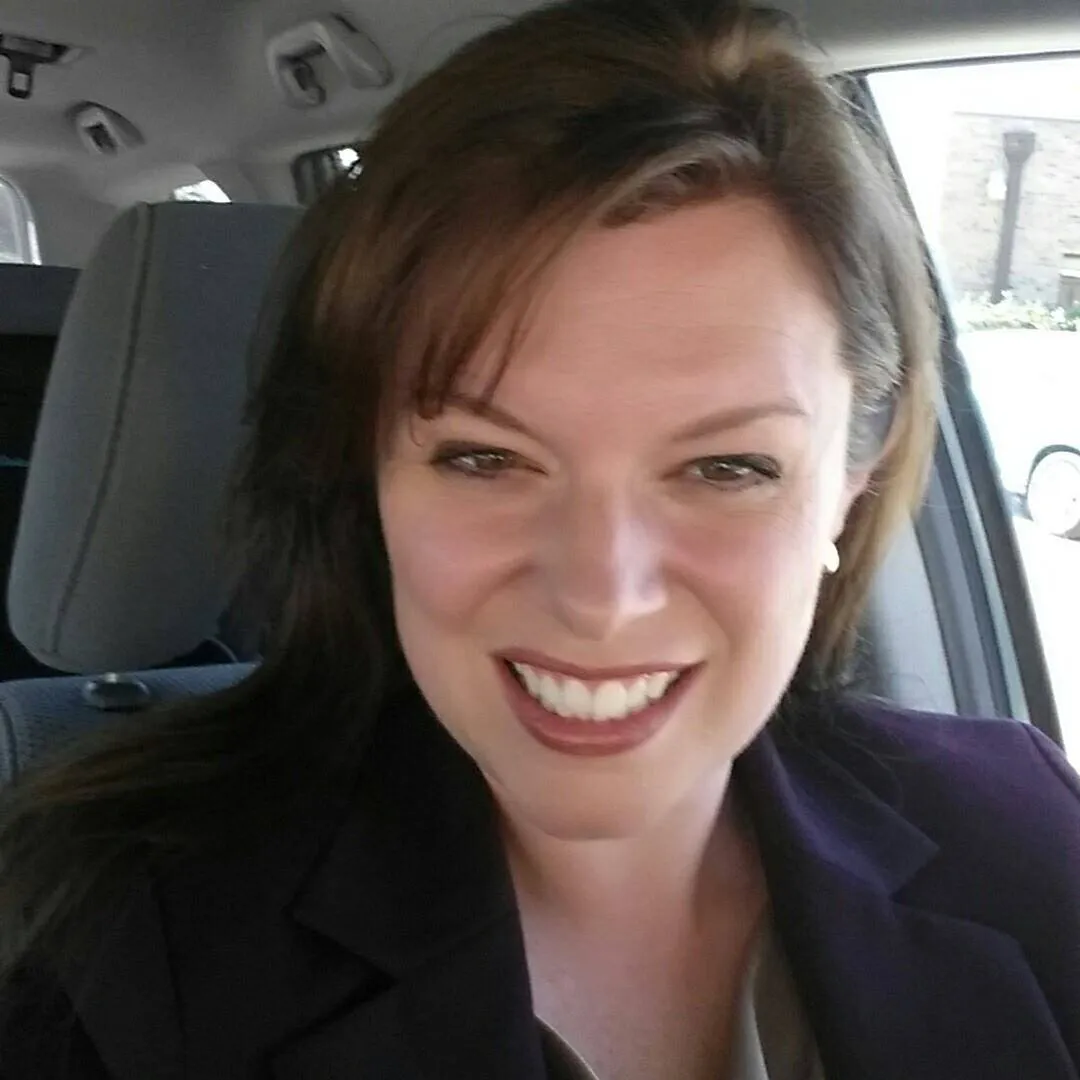
Medical Reviewer
Amanda Ahmed, MA, EdM, CCC-SLP
Amanda is a Speech-Language Pathologist who applies evidence-based practices to improve functional communication across settings. She has experience in acute and sub-acute care, neonatal intensive care (including feeding and swallowing), rehabilitation facilities, and school settings.
She is a member of the American Speech-Language-Hearing Association (ASHA) and the Texas Speech and Hearing Association, and a 2019 graduate of the ASHA Leadership Development Program (LDP) Healthcare Cohort, a highly selective program. Amanda earned her Master’s in Communication Disorders and Sciences from SUNY Buffalo in 2003.
Our Other Programs

Adaptive Strategies
Independence at home, school, or work often comes down to the right strategies and tools. Our therapists help children and adults build practical solutions for daily life.

Autism Spectrum
Autistic children and teens benefit from individualized, respectful support across many skill areas. Our therapists provide personalized care matched to each person's strengths and goals.

Developmental Coordination
Developmental delays and coordination challenges affect play, learning, and confidence. Our therapists support children in building the skills needed for everyday success.
Ready to Get Started?
Contact us today to schedule your first appointment and begin your journey toward better communication.