
Language Delay Therapy in Frisco and McKinney TX
When a child's language is developing more slowly than expected, early support makes a difference. Our speech-language pathologists provide personalized therapy for language delays.

What Language Delay Therapy Actually Treats
Language delay refers to a child's understanding or use of words and sentences developing more slowly than expected for their age. It can affect receptive language, which is what a child understands, expressive language, which is what a child says, or both.
A child with a language delay may have a smaller vocabulary than peers, struggle to combine words into sentences, or have difficulty following directions and answering questions. Language delays sometimes occur on their own and sometimes alongside conditions like autism, hearing loss, or developmental disabilities.
Language delays are not related to intelligence or effort. They reflect that the language system is developing on a different timeline and benefits from targeted support to help close the gap.
Language delay therapy focuses on building vocabulary, sentence structure, comprehension, and social use of language through play-based, interactive sessions tailored to the child.



Signs Language Delay Therapy May Help
Children develop language at different rates, but there are well-established milestones that help identify when extra support would be helpful. Trusting your instincts as a parent matters too.
Signs that language delay therapy may help include:
- Limited vocabulary compared to same-age peers
- Not combining two words by age 2
- Difficulty following simple directions
- Trouble answering basic questions
- Using mostly gestures or pointing instead of words
- Difficulty learning new words or remembering them- Frustration when trying to communicate
- A family or pediatrician concern about language development
How Summit Therapy Treats Language Delays
Treatment begins with a comprehensive evaluation that looks at receptive language, expressive language, play skills, and communication patterns. From there, a personalized plan is built using evidence-based, developmentally appropriate approaches.
Sessions are play-based and engaging, designed to feel like fun while targeting specific language goals. Activities are matched to your child's interests so language practice happens through meaningful interaction rather than drills.
Your child will work with the same speech-language pathologist throughout the process, allowing for trust, consistency, and steady progress.
Parent coaching is central to our approach. You will leave sessions with practical strategies to use at home, helping language development continue throughout your child's day.
Begin Your Therapy Journey
Reach out today via phone, text or email
Talk to a real person in the office locally.
Complete intake forms
We will verify insurance before your first visit.
Schedule your first visit
We will call you to schedule your first visit within one day of receiving your new patient paperwork.
Begin your therapy journey
Be amazed with your progress!
FAQs
If your child is not using any words by 15 to 18 months, not combining words by age 2, or seems to have a much smaller vocabulary than peers, an evaluation is a smart next step. The same is true if you have a gut feeling that something is off. Early support is more effective than waiting and seeing.
No. Many children with language delays do not have autism, and our team is trained to identify when other concerns may be present. If autism or another condition appears to be a factor, we can refer you to the right specialists. The first step is always a thorough speech and language evaluation.
No. Bilingualism does not cause language delay, and supporting both languages is encouraged. Our team can help you understand how to nurture both languages while addressing the underlying delay. Many of our families at Summit Therapy speak more than one language at home.
It depends on the type and severity of the delay and how consistently your child attends therapy. Some children catch up within a year, while others benefit from longer-term support. Your speech-language pathologist will give you a realistic estimate and revisit goals regularly.

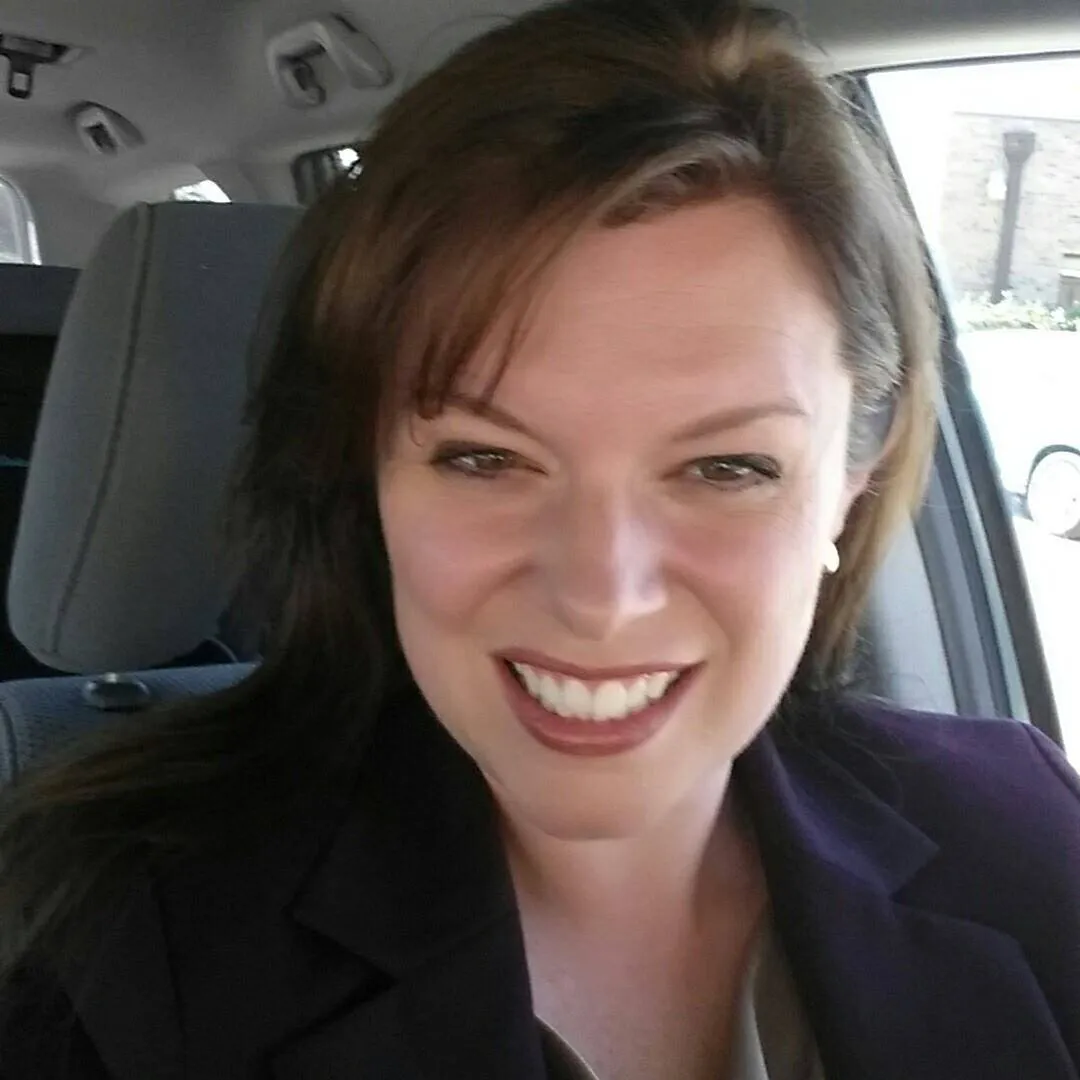
Medical Reviewer
Amanda Ahmed, MA, EdM, CCC-SLP
Amanda is a Speech-Language Pathologist who applies evidence-based practices to improve functional communication across settings. She has experience in acute and sub-acute care, neonatal intensive care (including feeding and swallowing), rehabilitation facilities, and school settings.
She is a member of the American Speech-Language-Hearing Association (ASHA) and the Texas Speech and Hearing Association, and a 2019 graduate of the ASHA Leadership Development Program (LDP) Healthcare Cohort, a highly selective program. Amanda earned her Master’s in Communication Disorders and Sciences from SUNY Buffalo in 2003.
Our Other Programs

Voice Therapy
A healthy, reliable voice is essential for daily life and work. Our speech-language pathologists provide personalized voice therapy for hoarseness, vocal fatigue, and more.

Social Skills
Social communication is a learned skill, and the right support helps children and teens connect more confidently. Our speech-language pathologists provide personalized social skills therapy.

Speech Delay
When a child is slow to start talking, the right support can make a meaningful difference. Our speech-language pathologists provide personalized therapy for speech delays.
Ready to Get Started?
Contact us today to schedule your first appointment and begin your journey toward better communication.