
Sports Injury Recovery Therapy in Frisco and McKinney TX
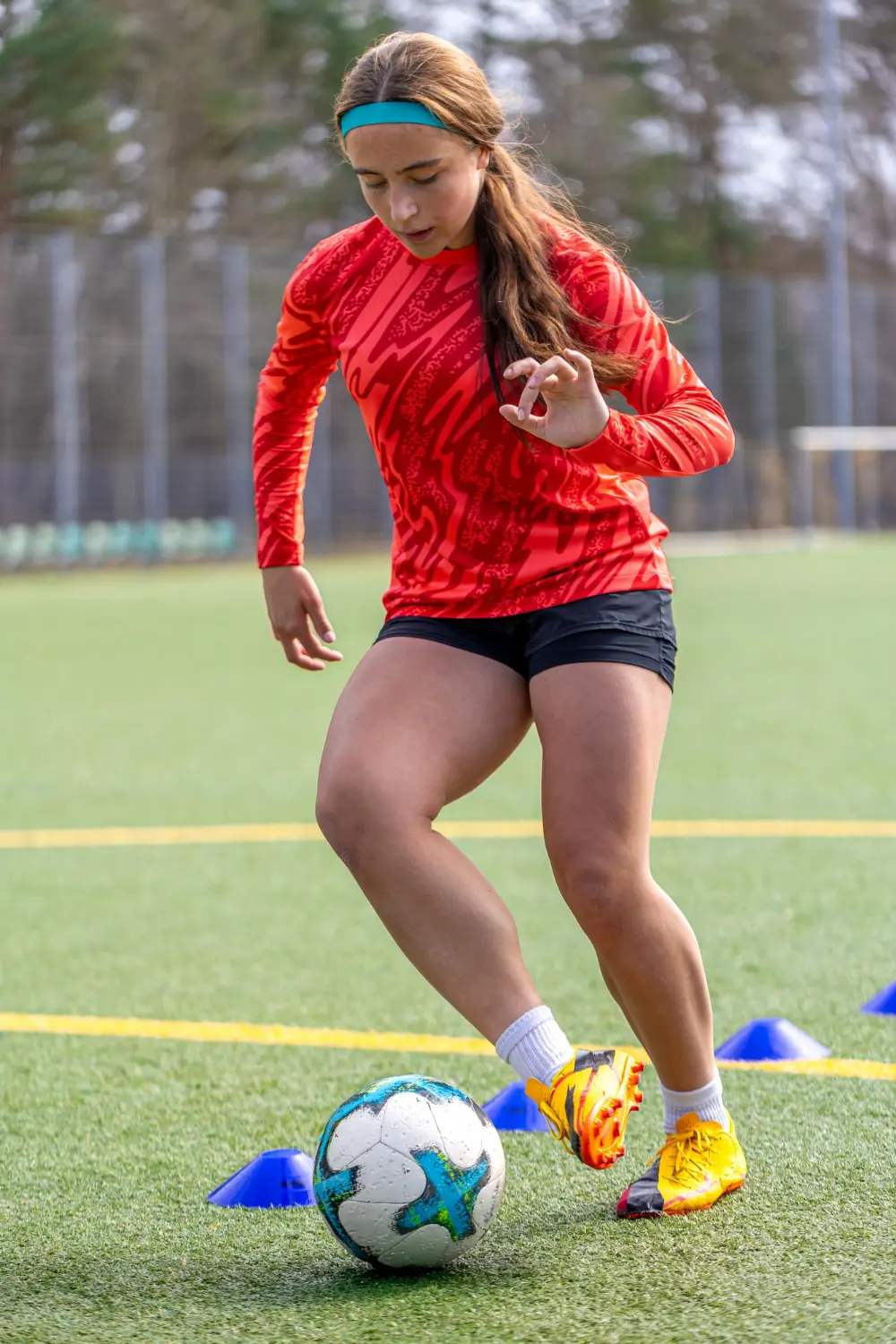
Returning to sport safely takes more than rest. Our therapists provide personalized recovery programs that rebuild strength, mobility, and confidence after sports injuries.

What Sports Injury Recovery Actually Treats
Sports injuries can affect athletes of any age. Common injuries include sprains, strains, overuse injuries, joint problems, and post-concussion difficulties that limit participation in sport and daily life.
Returning to sport too early or without proper rehabilitation can lead to re-injury and lasting limitations. A structured recovery program addresses not only the injured area but also the strength, control, and movement patterns that support full performance.
Sports injuries are not related to intelligence or effort. They reflect a physical event that needs targeted, progressive recovery to fully restore function.
Sports injury recovery therapy focuses on rebuilding strength, mobility, balance, and sport-specific skills in a graded, evidence-based way.


Signs Sports Injury Recovery May Help
Many athletes try to push through injury or rest until pain fades, only to find that performance never quite returns. Structured rehabilitation can close that gap.
Signs that sports injury recovery may help include:
- Persistent pain after a sports injury
- Decreased strength, range of motion, or stability
- Difficulty returning to previous performance levels
- Recurrent injury to the same area
- Limping, guarding, or compensating during movement
- Concerns about returning to sport safely
- Post-surgical recovery for a sports-related procedure
- A physician recommendation for rehabilitation
How Summit Therapy Supports Sports Injury Recovery
Treatment begins with a comprehensive evaluation that looks at strength, range of motion, balance, and the demands of your specific sport. From there, a personalized plan is built using evidence-based progressive rehabilitation principles.
Sessions move through a graded progression, from early healing and gentle range of motion to strengthening, sport-specific drills, and return-to-play activities. We coordinate closely with physicians and surgeons when applicable to ensure recovery aligns with medical guidance.
You will work with the same therapist throughout the process, allowing for consistent monitoring of progress and seamless adjustments as you advance.
Clear home programs and return-to-sport criteria are provided so you know exactly what to do between sessions and how to stay healthy long-term.
Begin Your Therapy Journey
Reach out today via phone, text or email
Talk to a real person in the office locally.
Complete intake forms
We will verify insurance before your first visit.
Schedule your first visit
We will call you to schedule your first visit within one day of receiving your new patient paperwork.
Begin your therapy journey
Be amazed with your progress!
FAQs
Earlier is generally better, often within days of an acute injury or as soon as your physician clears you. Early therapy can reduce stiffness, prevent compensations, and shorten total recovery time. Just call Summit Therapy to schedule an evaluation.
Yes. We work with athletes of all ages, including youth and high school athletes who need to return safely to practice and competition. Therapy is matched to the demands of the sport and the developmental needs of the athlete.
Return-to-sport decisions are based on objective criteria, including strength, mobility, balance, and sport-specific performance. Your therapist will guide you through these benchmarks. We never rush the process and we coordinate with your physician when needed.
It depends on your injury and insurance plan. Some plans require a physician referral while others do not. Our team at Summit Therapy can help you check your specific requirements before your first appointment.

Medical Reviewer
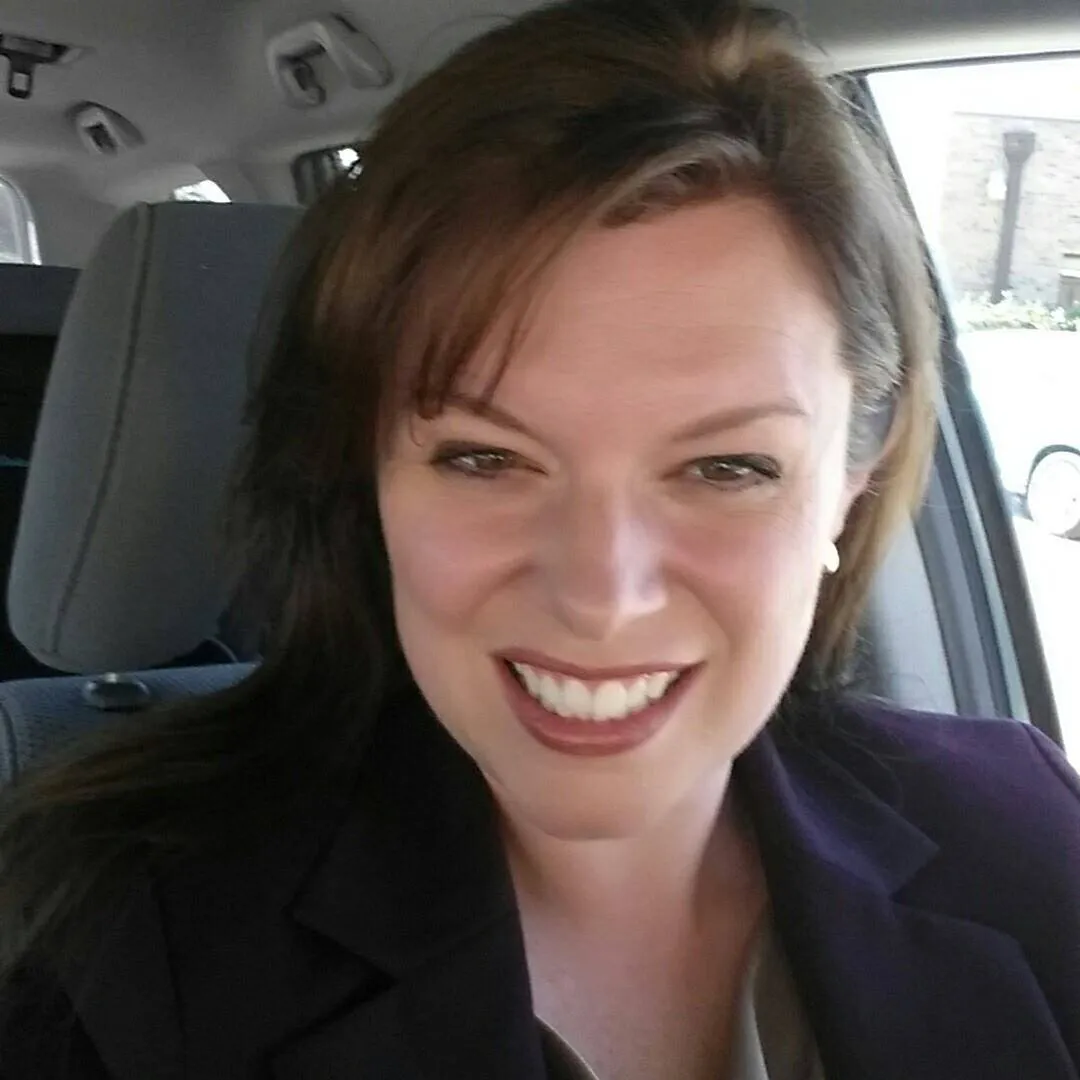
Amanda Ahmed, MA, EdM, CCC-SLP
Amanda is a Speech-Language Pathologist who applies evidence-based practices to improve functional communication across settings. She has experience in acute and sub-acute care, neonatal intensive care (including feeding and swallowing), rehabilitation facilities, and school settings.
She is a member of the American Speech-Language-Hearing Association (ASHA) and the Texas Speech and Hearing Association, and a 2019 graduate of the ASHA Leadership Development Program (LDP) Healthcare Cohort, a highly selective program. Amanda earned her Master’s in Communication Disorders and Sciences from SUNY Buffalo in 2003.
Our Other Programs

Strength and Endurance
Building strength and endurance supports every part of daily life. Our therapists help children and adults grow the physical foundation needed for play, school, and activity.
Cerebral Palsy
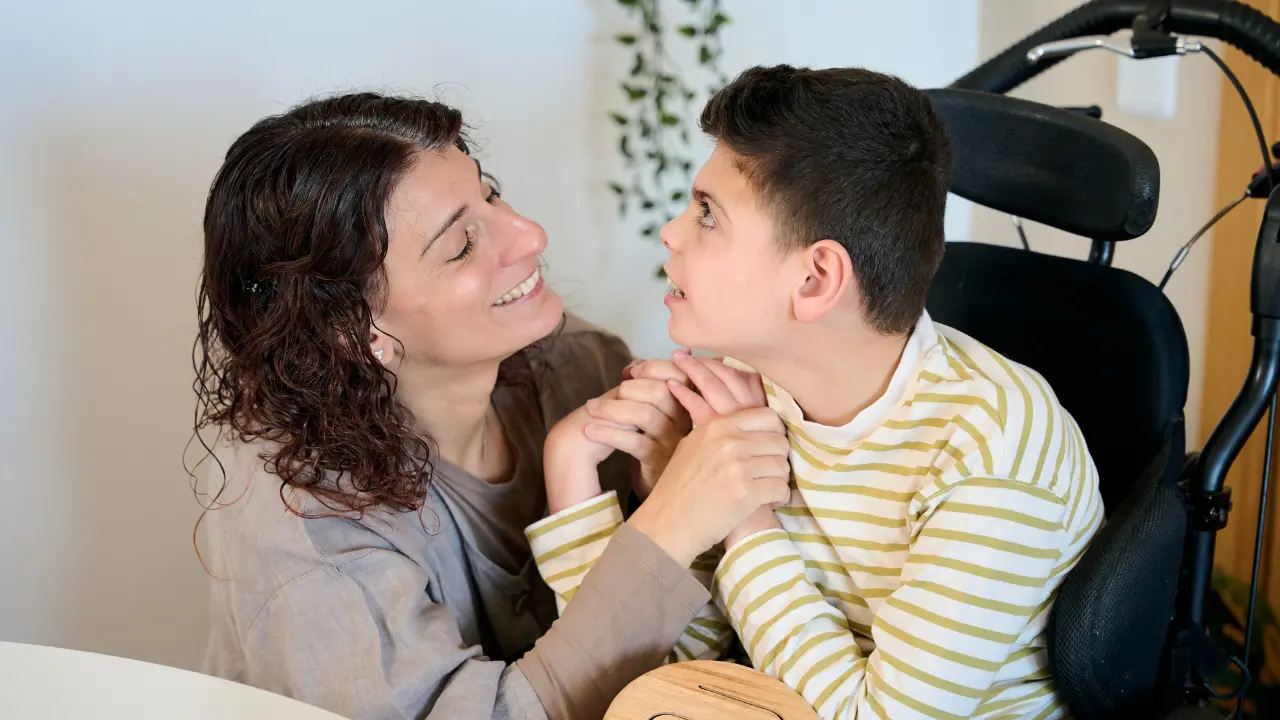
Children with cerebral palsy and other neurological motor differences benefit from specialized, ongoing care. Our therapists provide personalized support across every stage of development.
Post-Surgical Rehabilitation
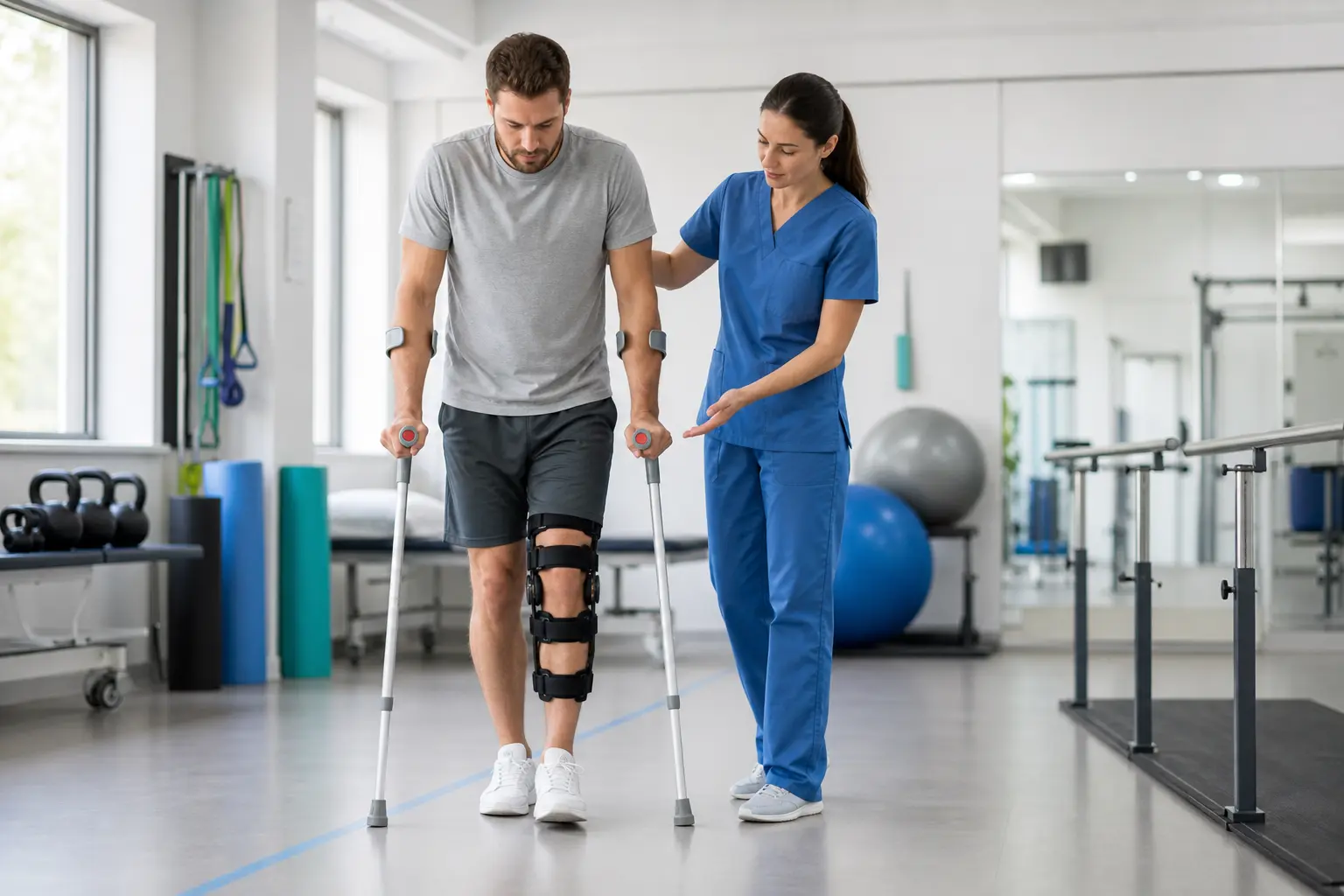
Recovery after surgery is just as important as the surgery itself. Our therapists provide personalized post-surgical rehabilitation to restore strength, mobility, and function.
Ready to Get Started?
Contact us today to schedule your first appointment and begin your journey toward better communication.