
Developmental Coordination Therapy in Frisco and McKinney TX
Developmental delays and coordination challenges affect play, learning, and confidence. Our therapists support children in building the skills needed for everyday success.

What Developmental Coordination Therapy Actually Treats
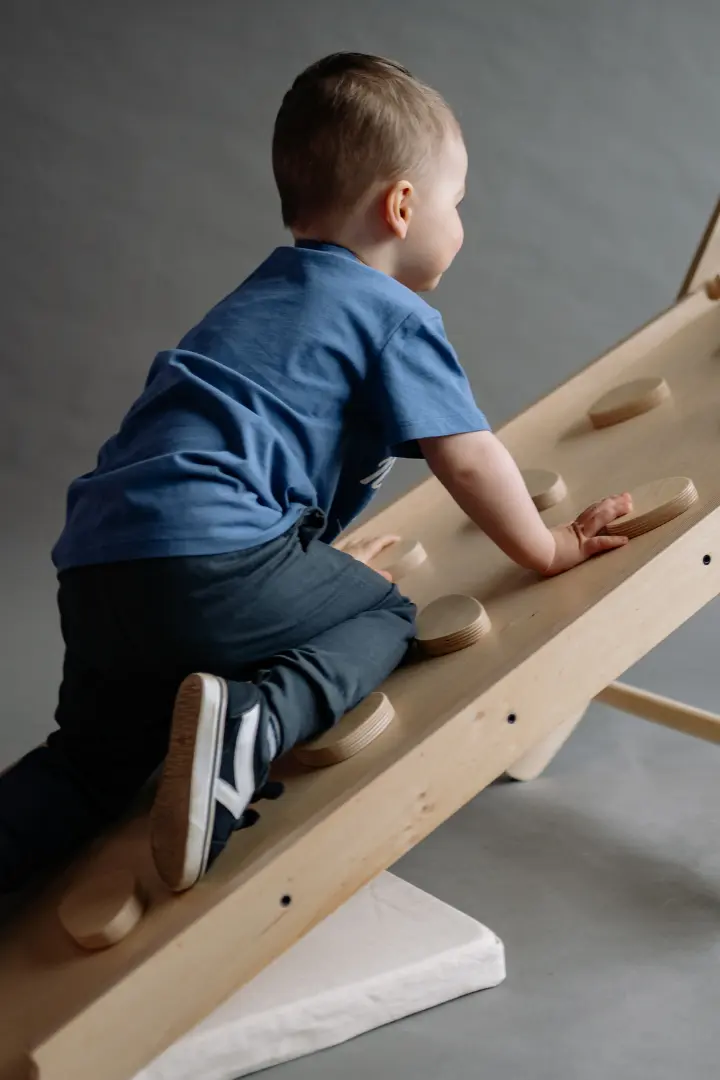
Developmental delays and coordination challenges describe a range of differences in how children acquire motor and developmental skills. Some children meet milestones late, struggle to coordinate their bodies for everyday tasks, or appear clumsy compared to peers.
Developmental coordination disorder, sometimes called DCD or dyspraxia, is one specific profile in this area. Children with DCD often have difficulty planning, sequencing, and executing motor tasks, which can affect handwriting, dressing, sports, and many other activities.
These challenges are not related to intelligence or effort. They reflect that the brain and body are coordinating in a different way and benefit from targeted, structured support.
Developmental coordination therapy focuses on building motor planning, coordination, and confidence so children can participate fully in school, play, and daily life.

Signs Developmental Coordination Therapy May Help
Coordination challenges often show up across many areas of life rather than in just one task. Recognizing the pattern early helps children build skills before frustration sets in.
Signs that developmental coordination therapy may help include:
- Frequent clumsiness, tripping, or bumping into things
- Difficulty learning new motor skills compared to peers
- Trouble with handwriting, cutting, or other school tasks
- Avoidance of sports, playgrounds, or active play
- Difficulty dressing, tying shoes, or other self-care tasks
- Late motor milestones or ongoing motor differences
- Trouble following multi-step physical directions
- Frustration with tasks that should be age-appropriate
How Summit Therapy Supports Developmental Coordination
Treatment begins with a comprehensive evaluation that looks at motor planning, coordination, strength, and how challenges affect daily life. From there, a personalized plan is built using evidence-based approaches matched to each child's profile.
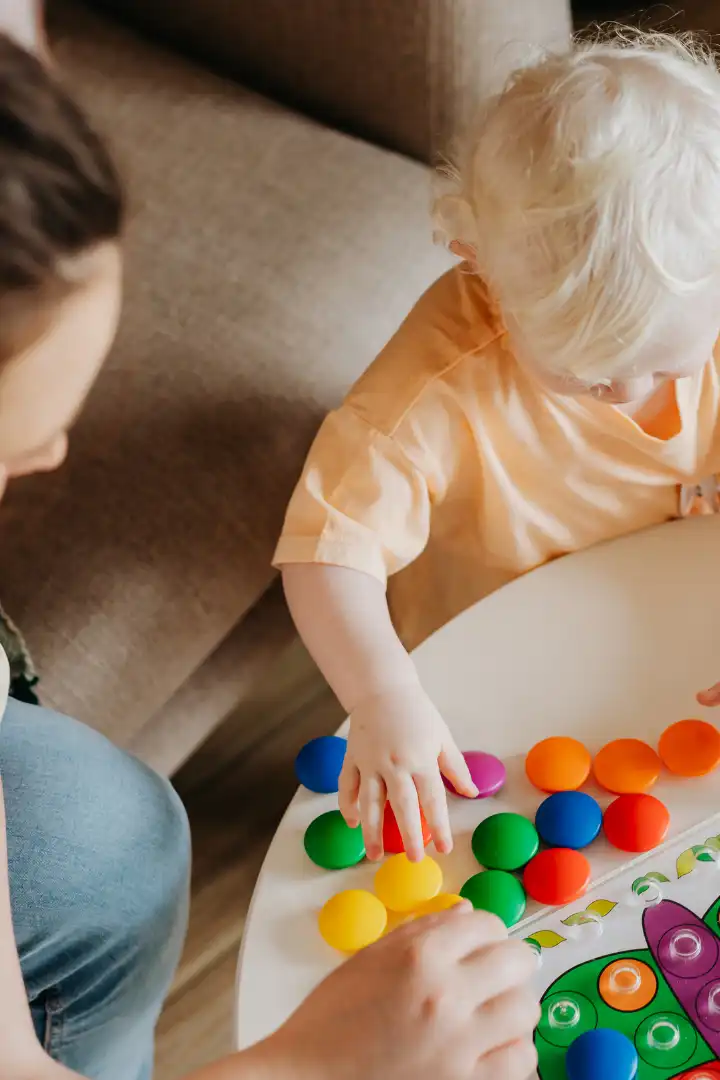
Sessions are play-based and engaging, using activities that target coordination through real-world skills. We break complex tasks into manageable steps, build success at each level, and gradually increase challenge.Your child will work with the same therapist throughout the process, allowing for trust and consistent skill building over time.
Families receive practical home activities, and we collaborate with schools when helpful so progress shows up across all the places that matter.
Begin Your Therapy Journey
Reach out today via phone, text or email
Talk to a real person in the office locally.
Complete intake forms
We will verify insurance before your first visit.
Schedule your first visit
We will call you to schedule your first visit within one day of receiving your new patient paperwork.
Begin your therapy journey
Be amazed with your progress!
FAQs
Many children are a bit clumsy at times, but persistent coordination challenges that affect daily life deserve a closer look. An evaluation at Summit Therapy can help distinguish typical variation from a true coordination difficulty and guide next steps.
Some children improve significantly with maturity, while others continue to need support into adolescence and beyond. Therapy can speed progress and prevent the long-term impact of avoidance and frustration. Early support is generally more effective than waiting.
Yes. Many children with coordination challenges build the strength, motor planning, and confidence needed to participate more fully in PE and sports. Therapy goals can include sport-specific skills if that is meaningful to your child.
Yes. With your permission, we share evaluation results and progress updates with your pediatrician and any other providers involved in your child's care. Coordinated care leads to better outcomes for kids.

Medical Reviewer
Amanda Ahmed, MA, EdM, CCC-SLP
Amanda is a Speech-Language Pathologist who applies evidence-based practices to improve functional communication across settings. She has experience in acute and sub-acute care, neonatal intensive care (including feeding and swallowing), rehabilitation facilities, and school settings.
She is a member of the American Speech-Language-Hearing Association (ASHA) and the Texas Speech and Hearing Association, and a 2019 graduate of the ASHA Leadership Development Program (LDP) Healthcare Cohort, a highly selective program. Amanda earned her Master’s in Communication Disorders and Sciences from SUNY Buffalo in 2003.
Our Other Programs

Adaptive Strategies
Independence at home, school, or work often comes down to the right strategies and tools. Our therapists help children and adults build practical solutions for daily life.

Stroke and Neurological Recovery
Recovery after stroke or neurological injury takes specialized, ongoing support. Our therapists help adults rebuild function and independence at every stage.

Autism Spectrum
Autistic children and teens benefit from individualized, respectful support across many skill areas. Our therapists provide personalized care matched to each person's strengths and goals.
Ready to Get Started?
Contact us today to schedule your first appointment and begin your journey toward better communication.