
Voice Therapy in Frisco and McKinney TX
A healthy, reliable voice is essential for daily life and work. Our speech-language pathologists provide personalized voice therapy for hoarseness, vocal fatigue, and more.

What Voice Therapy Actually Treats
Voice therapy supports children and adults whose voices sound hoarse, strained, breathy, weak, or simply not like themselves. The voice is produced by delicate vocal folds in the larynx, and many factors can affect how they vibrate, including overuse, illness, reflux, neurological conditions, and surgical changes.
Common voice problems include vocal nodules, hoarseness, vocal fatigue, loss of vocal range, and changes related to aging or medical conditions. Teachers, singers, coaches, and other heavy voice users are especially vulnerable to voice issues.
Voice problems are not related to intelligence or effort. They reflect a physical change in how the vocal folds are working and respond well to targeted, evidence-based therapy.
Voice therapy focuses on restoring a healthy, efficient voice through specific exercises, vocal hygiene, and changes to how the voice is used in daily life.



Signs Voice Therapy May Help
Voice changes that last more than a couple of weeks deserve attention. Persistent symptoms can signal underlying issues that respond well to therapy when caught early.
Signs that voice therapy may help include:
- Hoarseness lasting more than two weeks
- A voice that sounds breathy, raspy, or strained
- Frequent throat clearing or feeling of a lump in the throat
- Vocal fatigue or pain after talking or singing
- Loss of vocal range or pitch breaks
- A weak or unusually quiet voice
- A diagnosis of vocal nodules, polyps, or other vocal fold changes
- Difficulty being heard in noisy environments
How Summit Therapy Treats Voice Disorders
Treatment begins with a comprehensive voice evaluation, often in coordination with an ear, nose, and throat specialist who has examined the vocal folds. From there, a personalized plan is built using evidence-based voice therapy approaches.
Sessions focus on specific exercises designed to restore healthy vocal fold function, balance breath and voice, and reduce strain. We also address vocal hygiene, daily voice use patterns, and any habits that may be contributing to the problem.
You will work with the same speech-language pathologist throughout the process, allowing for consistent progress and tailored adjustments as your voice changes.
Clear home practice plans are provided, and we collaborate with your medical team when needed to ensure care is coordinated and effective.
Begin Your Therapy Journey
Reach out today via phone, text or email
Talk to a real person in the office locally.
Complete intake forms
We will verify insurance before your first visit.
Schedule your first visit
We will call you to schedule your first visit within one day of receiving your new patient paperwork.
Begin your therapy journey
Be amazed with your progress!
FAQs
In most cases, yes. An ENT examination of the vocal folds helps identify the cause of voice changes and ensures that therapy is matched to the underlying issue. We often partner closely with ENT physicians for our voice clients in Frisco and McKinney.
Yes. Voice therapy is often the first-line treatment for vocal nodules and is highly effective for many people. Therapy reduces strain, restores healthier vocal habits, and can shrink or eliminate nodules over time. Surgery is rarely the first step.
Yes. Singers, teachers, coaches, and others who rely on their voice for work benefit from voice therapy that respects their professional demands. Our team helps protect long-term vocal health while supporting the voice you need every day.
Many clients make meaningful progress within 6 to 12 sessions, depending on the issue and how consistently they practice between visits. Some conditions require longer-term support. Your speech-language pathologist will give you a clear plan after the evaluation at Summit Therapy.

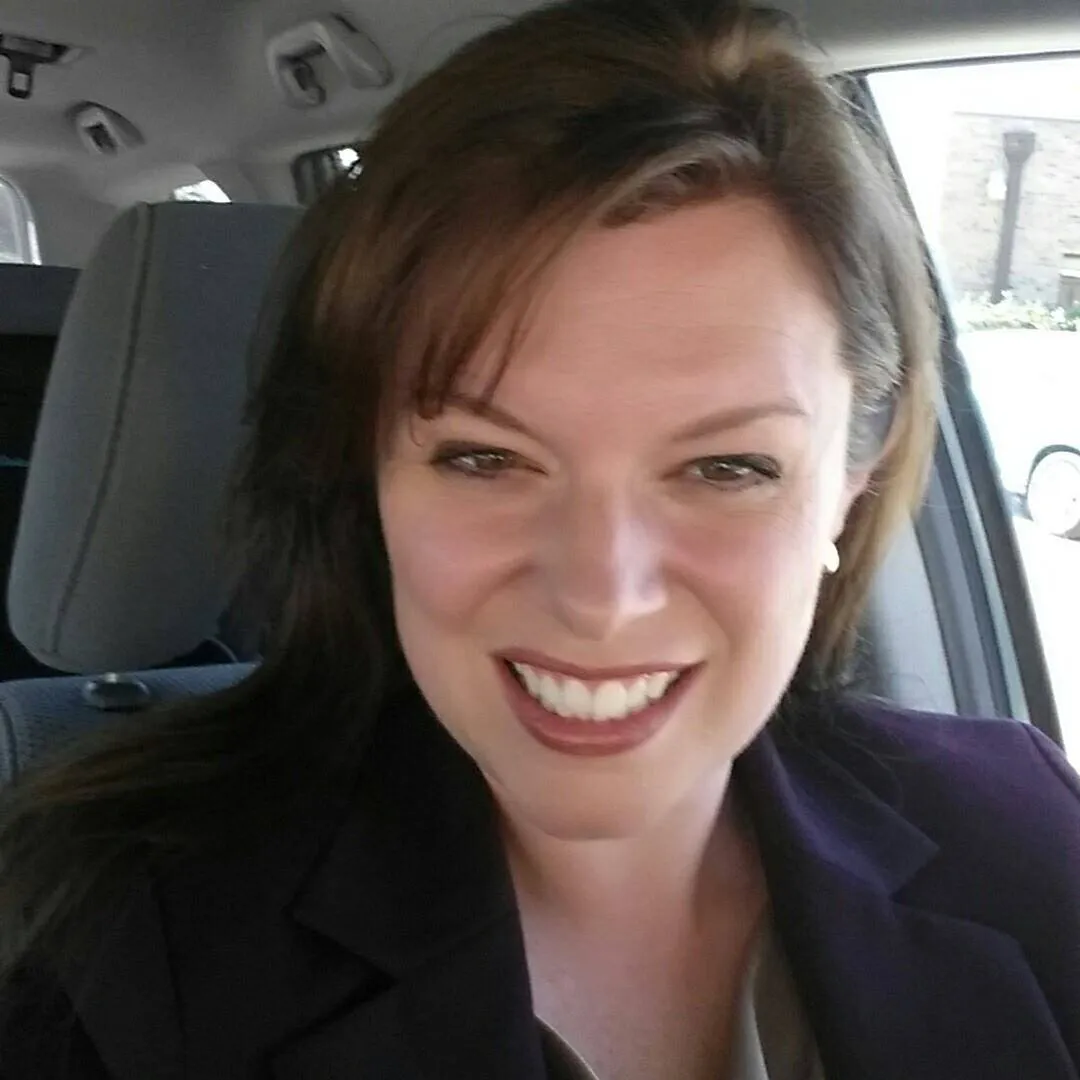
Medical Reviewer
Amanda Ahmed, MA, EdM, CCC-SLP
Amanda is a Speech-Language Pathologist who applies evidence-based practices to improve functional communication across settings. She has experience in acute and sub-acute care, neonatal intensive care (including feeding and swallowing), rehabilitation facilities, and school settings.
She is a member of the American Speech-Language-Hearing Association (ASHA) and the Texas Speech and Hearing Association, and a 2019 graduate of the ASHA Leadership Development Program (LDP) Healthcare Cohort, a highly selective program. Amanda earned her Master’s in Communication Disorders and Sciences from SUNY Buffalo in 2003.
Our Other Programs

Social Skills
Social communication is a learned skill, and the right support helps children and teens connect more confidently. Our speech-language pathologists provide personalized social skills therapy.

Speech Delay
When a child is slow to start talking, the right support can make a meaningful difference. Our speech-language pathologists provide personalized therapy for speech delays.

Second and Third Language Acquistion
Learning a second or third language brings unique strengths and challenges. Our speech-language pathologists support multilingual children and adults with personalized therapy.
Ready to Get Started?
Contact us today to schedule your first appointment and begin your journey toward better communication.