
Cerebral Palsy Therapy in Frisco and McKinney TX
Children with cerebral palsy and other neurological motor differences benefit from specialized, ongoing care. Our therapists provide personalized support across every stage of development.
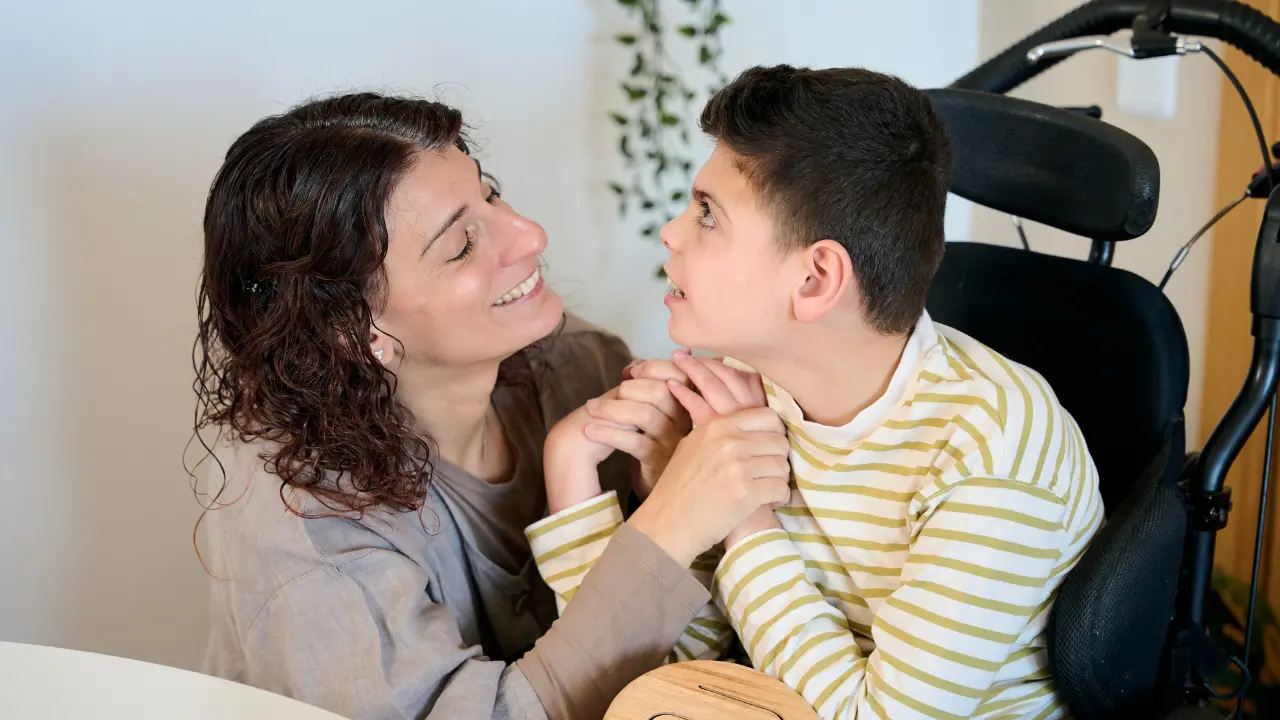
What Cerebral Palsy and Neurological Motor Therapy Actually Treats
Cerebral palsy is a group of neurological conditions that affect movement, posture, and motor coordination, caused by differences in the developing brain. Other neurological conditions, including genetic syndromes and acquired brain injuries, can also affect motor function in similar ways.
Children with these conditions may have differences in muscle tone, strength, coordination, and balance. Some primarily affect one side of the body, others affect the lower body more than the upper, and still others affect the whole body. Each child's profile is unique.
These motor differences are not related to intelligence or effort. They reflect how the brain communicates with the muscles and respond to consistent, evidence-based therapy across the lifespan.
Therapy in this area focuses on building functional motor skills, supporting independence in daily activities, and adapting tasks and environments to maximize participation.

Signs Neurological Motor Therapy May Help
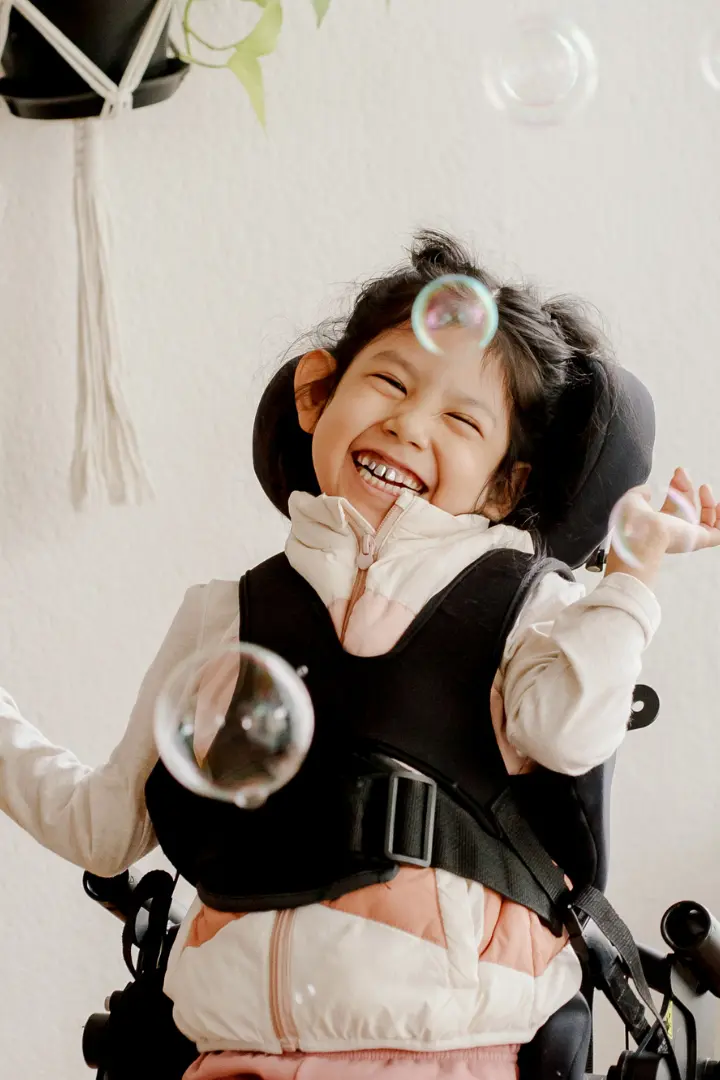
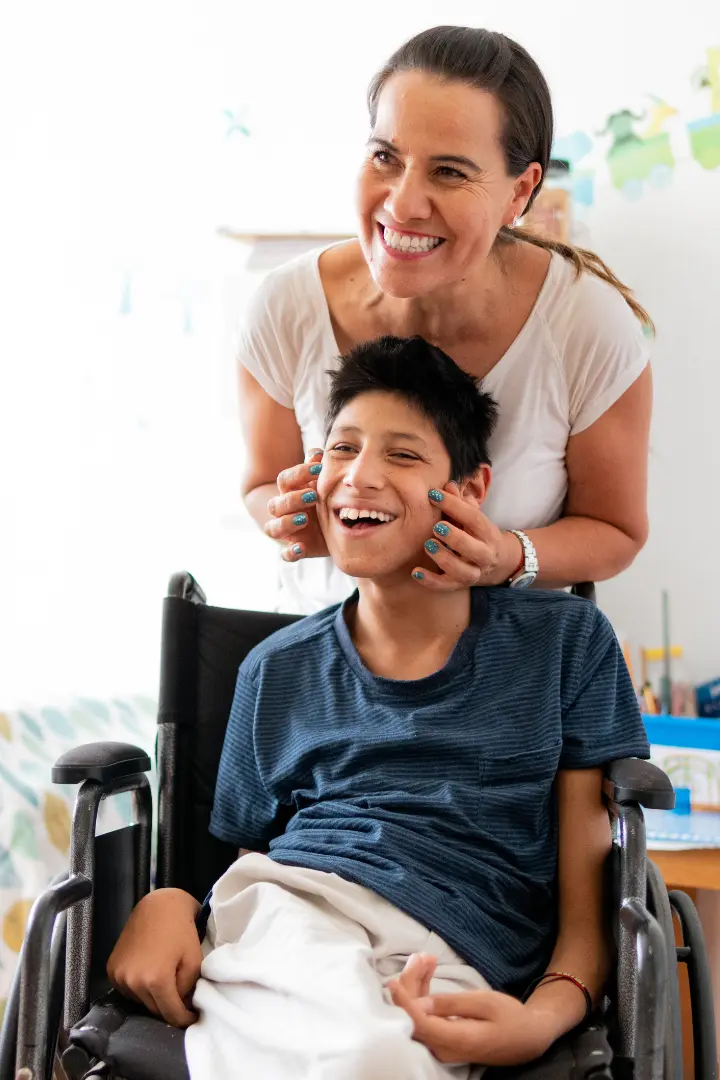
Children with cerebral palsy and related conditions benefit from ongoing, skilled therapy to support development at every stage. Therapy needs evolve as the child grows.
Signs that this kind of therapy may help include:
- A diagnosis of cerebral palsy or another neurological motor condition
- Differences in muscle tone, such as tightness or floppiness
- Difficulty with motor milestones like sitting, crawling, or walking
- Asymmetric use of the body, such as preferring one hand strongly
- Difficulty with fine motor tasks like grasping or self-feeding
- Challenges with balance, coordination, or endurance
- A need for adaptive equipment or strategies
- Transitions to new developmental stages or environments
How Summit Therapy Supports Children with Neurological Motor Differences
Treatment begins with a comprehensive evaluation that looks at motor skills, daily function, equipment needs, and family priorities. From there, a personalized plan is built using evidence-based approaches matched to each child's specific profile.
Sessions focus on functional, meaningful goals, whether that is improving hand use for school, building independence in self-care, or supporting safe mobility. We use play-based, task-specific practice that motivates kids and translates into real life.
Your child will work with the same therapist throughout the process, allowing for trust, deep understanding of your child's needs, and steady progress over time.
We partner closely with families and other providers, including physicians, schools, and equipment specialists, to ensure care is coordinated and supportive.
Begin Your Therapy Journey
Reach out today via phone, text or email
Talk to a real person in the office locally.
Complete intake forms
We will verify insurance before your first visit.
Schedule your first visit
We will call you to schedule your first visit within one day of receiving your new patient paperwork.
Begin your therapy journey
Be amazed with your progress!
FAQs
Therapy can begin in infancy and is most effective when started early. Early intervention takes advantage of the brain's natural neuroplasticity. If your child has a diagnosis or you have early concerns, schedule an evaluation at Summit Therapy promptly.
Therapy needs change over time. Many children benefit from regular therapy during early childhood and at key transitions, with periods of less intensive support in between. Your therapist will adjust the plan based on goals and progress.
Yes. Building independence in self-care is a core focus. We work on practical skills like dressing, feeding, grooming, and school activities, often using adaptive strategies and equipment when helpful. Independence in daily life is a major quality-of-life goal.
Yes. Children with neurological conditions often have a team of providers, and we collaborate closely with physicians, surgeons, school therapists, and equipment vendors. Coordinated care leads to better outcomes. Just let us know who is involved in your child's care.

Medical Reviewer
Amanda Ahmed, MA, EdM, CCC-SLP
Amanda is a Speech-Language Pathologist who applies evidence-based practices to improve functional communication across settings. She has experience in acute and sub-acute care, neonatal intensive care (including feeding and swallowing), rehabilitation facilities, and school settings.
She is a member of the American Speech-Language-Hearing Association (ASHA) and the Texas Speech and Hearing Association, and a 2019 graduate of the ASHA Leadership Development Program (LDP) Healthcare Cohort, a highly selective program. Amanda earned her Master’s in Communication Disorders and Sciences from SUNY Buffalo in 2003.
Our Other Programs

Strength and Endurance
Building strength and endurance supports every part of daily life. Our therapists help children and adults grow the physical foundation needed for play, school, and activity.
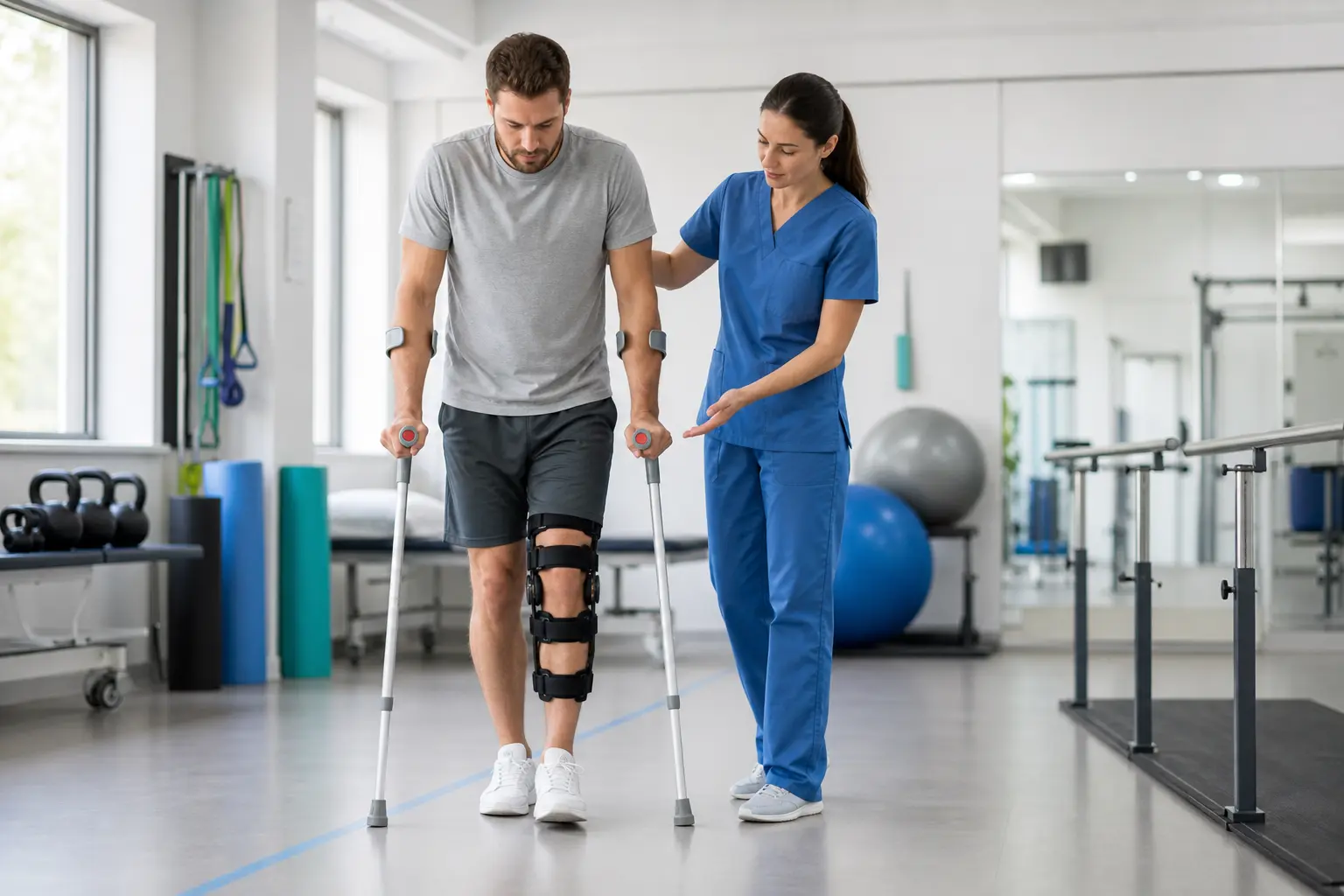
Post-Surgical Rehabilitation
Recovery after surgery is just as important as the surgery itself. Our therapists provide personalized post-surgical rehabilitation to restore strength, mobility, and function.

Sports Injury Recovery
Returning to sport safely takes more than rest. Our therapists provide personalized recovery programs that rebuild strength, mobility, and confidence after sports injuries.
Ready to Get Started?
Contact us today to schedule your first appointment and begin your journey toward better communication.